
Footwear Fulfillment & 3PL for eCommerce With Services, Benefits & Trends
Updated – September 2026
Footwear fulfillment becomes more complex as product assortments grow. Warehouses need to manage multiple sizes, styles, and colorways, accommodate varying shoebox dimensions, and process everything from single-pair eCommerce orders to larger wholesale shipments. Returns add another layer, requiring careful inspection, repackaging, inventory updates, and accurate restocking before products can be made available again.
For many growing shoe brands, working with a third-party logistics (3PL) provider like Speed Commerce offers a more structured way to manage these demands. A specialized fulfillment partner can support inventory control, order processing, shipping, and returns while giving internal teams more room to focus on product, sales, and growth.
Looking for a better fulfillment solution?
A fulfillment expert will get back to you within 1-2 business days.
What Is Footwear Fulfillment?
Footwear fulfillment refers to the full set of logistics activities required to move shoes from stored inventory to the end customer. The process typically includes receiving, inventory management, warehousing, order processing, picking and packing, shipping, tracking, and returns management. For footwear brands, these operations must also account for product variations such as size, color, style, packaging, and seasonal demand.
Businesses generally manage footwear fulfillment in one of two ways: in-house or through an outsourced footwear third-party logistics (3PL) provider.
In-house fulfillment gives a business direct control over warehouse operations, staffing, inventory systems, packing procedures, and shipping workflows. This model can work well for companies with established logistics infrastructure and the resources to manage fulfillment internally. As order volume grows, though, businesses may need to invest further in warehouse space, labor, technology, carrier management, and operational oversight.
Outsourcing fulfillment transfers some or all of these responsibilities to a specialized 3PL provider. Speed Commerce, for example, can manage footwear warehousing, inventory, order processing, packing, shipping, and returns on behalf of brands and retailers. This model gives businesses access to established fulfillment infrastructure, logistics technology, carrier relationships, and operational expertise without requiring the same level of internal investment. It can also make it easier to scale fulfillment capacity as order volume, product lines, and distribution needs increase.
Footwear Industry Growth and Market Trends
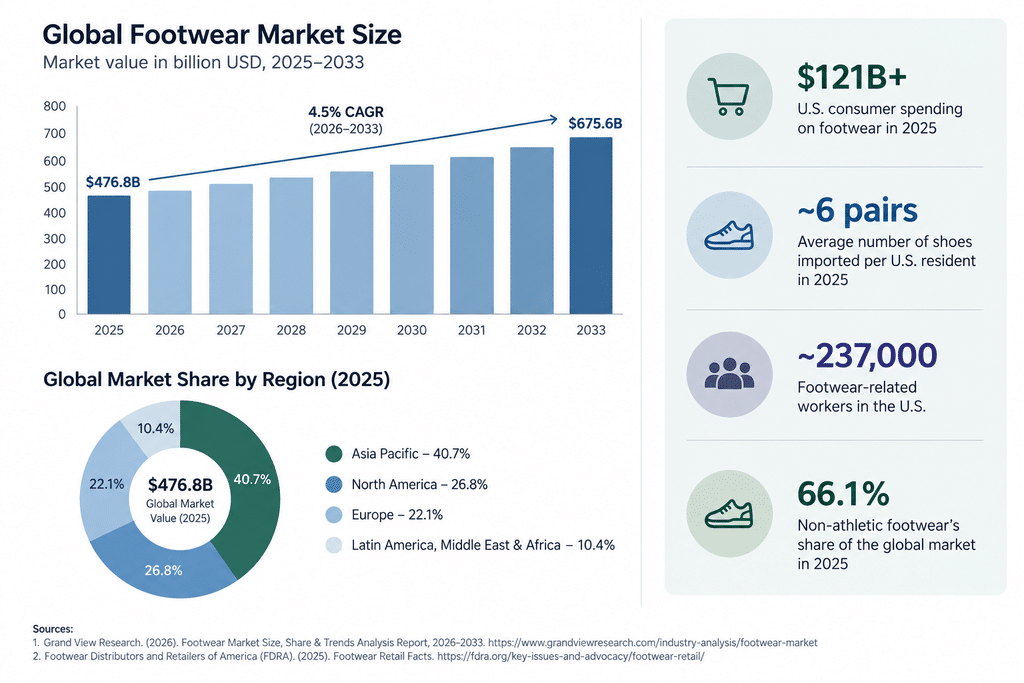
The footwear industry represents a substantial global consumer market. The global footwear market was valued at approximately $476.8 billion in 2025 and is projected to reach $675.6 billion by 2033, representing a compound annual growth rate of 4.5% from 2026 to 2033. Asia Pacific accounted for 40.7% of global footwear revenue in 2025, while non-athletic footwear represented 66.1% of the market. These figures reflect the scale and variety of footwear demand across athletic shoes, casual footwear, work shoes, boots, and other categories.
The U.S. alone represents a major portion of footwear demand. According to the Footwear Distributors and Retailers of America (FDRA), Americans spent more than $121 billion on shoes in 2025, and the country imported approximately six pairs of shoes for every U.S. resident during the year. The organization also reports roughly 237,000 footwear-related workers nationwide. For footwear brands and retailers, this level of consumer activity translates into substantial inventory movement and places greater demands on warehousing, order processing, shipping capacity, and returns management.
What to Consider When Shipping Footwear
Shipping footwear involves more than placing a shoebox inside a mailer or carton. Footwear brands need to account for product protection, package dimensions, carrier selection, labeling accuracy, and cross-border requirements. Each decision can affect shipping costs, delivery performance, product condition, and the customer experience. Here are four factors to consider when building a footwear shipping strategy.
Packaging
Footwear packaging should protect shoes from crushing, scuffing, moisture, and movement during transit without adding unnecessary weight or bulk. Because shoe boxes can take up considerable warehouse and carrier space, packaging design also affects storage efficiency and dimensional shipping costs.
A footwear packaging checklist can include:
- Protection against crushing, moisture, and surface damage
- Packaging that reflects the brand and unboxing experience
- Efficient dimensions for storage and parcel shipping
- Easy opening, closing, and disposal
- Materials that balance durability and cost
- Secure internal packing to limit movement in transit
For higher-value, structured, or presentation-sensitive footwear, an outer shipping carton can also help protect the retail box from dents, labels, and transit wear.
Shipping Method
Carrier and service selection influence transit time, shipping cost, tracking visibility, and delivery reliability. Brands should consider package weight and dimensions, destination, promised delivery window, order value, and whether the footwear requires added protection or signature confirmation.
A lightweight pair of casual shoes may be suitable for standard parcel delivery, while premium footwear or time-sensitive orders may call for expedited service. Comparing carrier rates and service levels can help brands match shipping speed to customer expectations without overspending on every order.
Labeling
Accurate labeling helps warehouses identify the correct product and helps carriers route shipments to the correct destination. Footwear operations often manage large numbers of size, color, width, and style combinations, so clear stock keeping unit (SKU), barcode, and shipping labels can reduce picking and packing errors.
Product labels may include information such as:
- Style or model
- Size and width
- Color
- SKU or barcode
- Country of origin
- Handling or compliance information when required
For imported footwear entering the United States, Section 304 of the Tariff Act generally requires imported goods to carry a legible and conspicuous country-of-origin marking in English. Depending on the footwear design and applicable customs requirements, markings can appear in locations such as the tongue, heel seat, sole, topline area, or arch side of the tongue.
Customs Regulations
International footwear shipments must meet the import requirements of the destination country. Documentation can include commercial invoices, product descriptions, country-of-origin information, tariff classifications, declared values, and other customs records.
Footwear classification can vary according to factors such as material, construction, purpose, and the composition of the upper and outer sole. Incorrect classification or incomplete documentation can lead to customs delays, added charges, penalties, or shipment holds. Brands selling across borders should build customs requirements into their fulfillment process rather than treating them as a final shipping step.
Speed Commerce Footwear Fulfillment
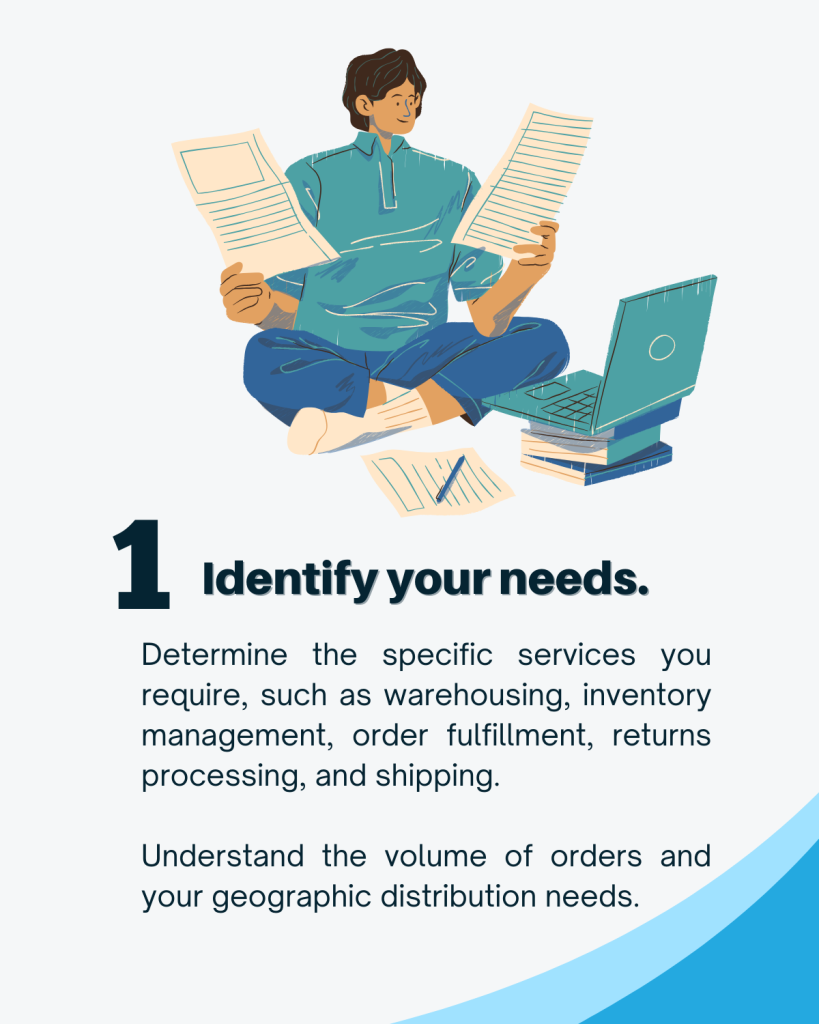
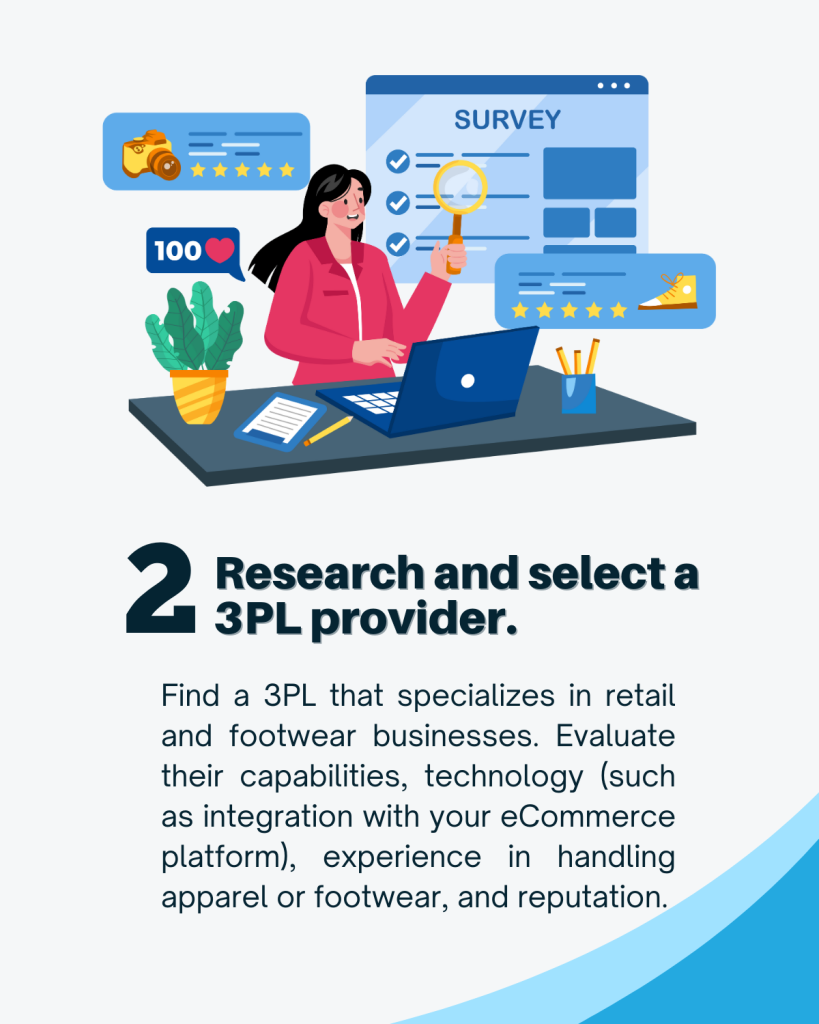
Use our Speed Commerce footwear fulfillment infographic to learn what footwear fulfillment is, how the process works, its challenges, and more.

Challenges in Footwear Fulfillment
Footwear fulfillment has to support a large, highly varied product category while responding to changing demand, online order growth, sourcing concentration, and costly returns. Consumers spent more than $121 billion on footwear in 2025, while the country imported 2.015 billion pairs of shoes during the year, illustrating the volume that footwear supply chains must receive, store, allocate, and distribute.
Inventory Management
Footwear inventory becomes complex quickly because each style can be offered across multiple sizes, widths, colors, and materials. Every variation creates a separate stock keeping unit (SKU), making accurate forecasting and inventory allocation especially important when demand differs from one size or style to another.
The scale of the market adds to that challenge. The global footwear market was valued at $476.8 billion in 2025, with non-athletic footwear accounting for 66.1% of revenue. Brands need inventory systems that can track large SKU assortments while helping prevent popular variants from selling out and slower-moving products from occupying warehouse space for too long.
Supply Chain Management
Footwear supply chains often stretch across several countries before a finished pair reaches the customer. In 2025, 99% of shoes sold in the U.S. were imported, according to the Footwear Distributors and Retailers of America. China supplied 47.8% of U.S. footwear imports by volume, followed by Vietnam at 28.5% and Indonesia at 9.6%.
That concentration makes sourcing, inbound transportation, customs clearance, and inventory timing closely connected. Production delays or transportation disruptions at major sourcing locations can affect product launches and stock availability thousands of miles away, so brands need greater visibility into both inbound inventory and available warehouse stock.
Changing Consumer Demand
Footwear buying patterns can change quickly as consumers respond to fashion cycles, athletic trends, new product releases, seasonality, and price. The global footwear market is projected to grow from approximately $496.2 billion in 2026 to $675.6 billion by 2033, but that growth will not be distributed evenly across every style or category.
Online demand is also increasing across retail more broadly. U.S. eCommerce sales reached $340.2 billion in the second quarter of 2026, up 12.2% from the same quarter in 2025, and represented 17.1% of total retail sales on a seasonally adjusted basis. For footwear brands selling online, faster demand shifts place more pressure on inventory forecasting, replenishment, and order processing.
Returns Management
Fit makes returns a particularly relevant operational concern for footwear sellers. Customers cannot always determine how a particular shoe, size, or width will feel until they try it on, which means reverse logistics needs to be planned alongside outbound fulfillment.
Across U.S. retail, 19.3% of online sales were expected to be returned in 2025, according to the National Retail Federation. The same research found that 82% of consumers consider free returns important when shopping online, showing why brands need a returns process that can receive, inspect, restock, exchange, or otherwise route returned products efficiently. These figures cover retail overall rather than footwear specifically, but they provide a useful benchmark for online sellers.
Cost Control
Footwear brands have to manage costs across sourcing, warehousing, labor, packaging, transportation, customs, and returns. Those costs can rise further when inventory is stored too long, shoes require oversized shipping cartons, or returned products need inspection and repackaging before they can be sold again.
Import costs can also be substantial for U.S. footwear businesses. In a 2026 filing, FDRA stated that footwear historically carried an average U.S. tariff rate of about 12% before newer tariffs were added, compared with roughly 2% for consumer goods generally, with some footwear classifications carrying much higher rates. Accurate classification, inventory planning, and transportation decisions therefore have a direct effect on landed cost.
Brand Experience
For footwear brands, fulfillment is also part of the customer experience. Accurate orders, undamaged shoe boxes, appropriate packaging, reliable tracking, and straightforward returns all influence how customers perceive the seller after checkout.
Competition makes those details more noticeable. With the global footwear market estimated at nearly $500 billion in 2026, brands are competing across established athletic, casual, specialty, luxury, and direct-to-consumer categories. Fulfillment cannot create the brand by itself, but poor execution can undermine the experience a brand has worked to build.
Top Fulfillment Services for Footwear Businesses
Footwear brands often need more than basic storage and parcel shipping. A strong fulfillment operation should support accurate inventory handling, SKU-level order processing, protective packaging, efficient delivery, returns, and seasonal inventory needs across a wide range of sizes, colors, and styles.
| Fulfillment Service | What It Covers |
|---|---|
| Receiving | Incoming footwear is unloaded, inspected for visible damage, checked against purchase orders, and verified by SKU details such as style, size, color, and model before entering inventory. |
| Picking and Packing | The correct footwear is selected for each order and packed using materials that protect both the shoes and retail box from crushing, moisture, scuffing, and movement during transit. |
| Shipping and Delivery | Orders are prepared for carrier pickup, labeled, and routed according to destination, package dimensions, cost, and delivery requirements. Services can also support direct-to-consumer, retail, and expedited shipments. |
| Inventory Management | Inventory is tracked across receiving, storage, order allocation, shipping, returns, and restocking. SKU-level visibility helps brands monitor sizes, colors, styles, and replenishment needs. |
| Cross-Docking | Incoming inventory moves directly toward outbound shipping with little or no long-term storage. This can support retail replenishment, product launches, promotional inventory, and fast-moving footwear. |
| Returns Management | Returned footwear is received, inspected, and evaluated for wear, damage, packaging condition, and resale eligibility before being restocked, exchanged, repaired, liquidated, or otherwise processed. |
| Long-Term and Seasonal Storage | Reserve, seasonal, discontinued, and future-campaign inventory can be stored until needed while remaining organized and protected from crushing, moisture, dust, and other storage-related damage. |
Benefits of Using a 3PL for Footwear Fulfillment
Outsourcing footwear fulfillment to a third-party logistics (3PL) provider can reduce the operational burden of managing warehousing, labor, inventory systems, carrier relationships, and returns internally. Footwear brands also benefit from infrastructure designed to handle large SKU assortments across sizes, colors, widths, and styles, along with seasonal demand swings and product launches. A 3PL can provide greater inventory visibility, established shipping workflows, and flexible warehouse capacity, helping brands process orders efficiently as sales volume and distribution needs grow.
Speed Commerce supports footwear brands with services that span receiving, inventory management, picking and packing, shipping, returns, kitting, and long-term storage. Its fulfillment capabilities can support direct-to-consumer eCommerce orders as well as retail and B2B distribution, giving brands a single logistics partner for multiple sales channels. By moving day-to-day fulfillment operations to Speed Commerce, internal teams can spend more time on merchandising, product development, marketing, and other activities tied directly to business growth.
Choose Speed Commerce for Footwear Fulfillment
Let’s GoLearn More About Footwear Fulfillment
How are footwear SKUs typically organized across sizes and colors?
Footwear inventory is commonly tracked with a separate identifier for each product variation, including size, color, width, and pack configuration. GS1 notes that individual variants can receive unique Global Trade Item Numbers (GTINs), which supports more accurate barcode scanning, inventory tracking, and order processing.
How can footwear brands reduce shipping costs for boxed shoes?
Right-sized packaging can help control shipping costs because carriers often calculate charges using dimensional weight when it exceeds actual package weight. Avoiding oversized cartons and unnecessary empty space can reduce billable volume while still providing enough room for protective packaging.
What should footwear brands consider before importing products into the U.S.?
Imported footwear requires accurate product classification, country-of-origin information, customs documentation, and applicable duty calculations. Classification can depend on construction details and materials, so product specifications should be reviewed before shipments enter the country.
Why does returns management matter so much for online footwear sales?
Footwear returns often require inspection before products can be restocked because condition, fit-related wear, packaging damage, and missing components can affect resale eligibility. Across U.S. retail, the National Retail Federation estimated that 19.3% of online sales would be returned in 2025, showing why reverse logistics deserves dedicated operational planning.
Can footwear inventory support both eCommerce and retail orders?
A shared inventory pool can support multiple sales channels when fulfillment systems can apply the correct allocation, labeling, packaging, and routing requirements to each order. This is increasingly relevant as footwear retail becomes more omnichannel, with digital and physical sales channels operating more closely together.
Insights

Inflation Became Sticky, Do We See it in Shipping Costs for Businesses and Consumers?
Shipping prices remain elevated even when inflation slows. Historical courier, FedEx, USPS, and fuel data show what businesses and consumers are paying, why bills stay high, and where savings may still be possible….
Read More

Single vs Multi-Location Fulfillment: Which Should You Choose?
We priced one to five warehouse networks with 2026 USPS rates to show when a second fulfillment location pays off, and when one well-placed warehouse is the better call….
Read More
Tesla Semi Early Reviews: What Drivers Are Saying and What It Means for Freight
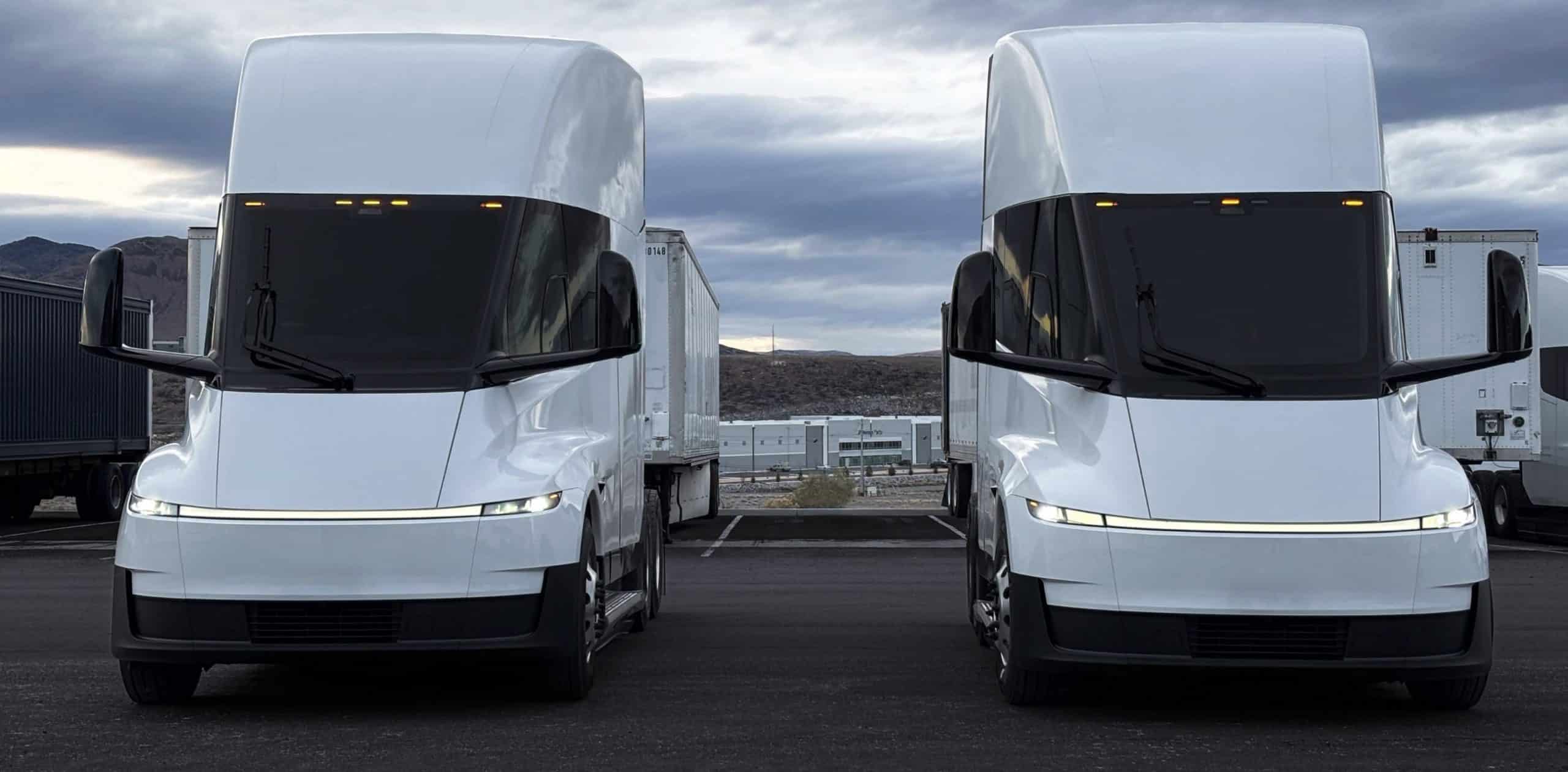
Nine years is a long time to wait on a truck. Tesla unveiled the Semi in November 2017 and planned to start production in 2019. On September 24, 2026, it formally opened a dedicated Nevada factory and began handing over series-built trucks, and the first outside drivers are now weighing in. The early verdicts are…
Read More
Looking for a better fulfillment solution?
A fulfillment expert will get back to you within 1-2 business days.