
3PL Fulfillment for Musical Instruments
Turbocharged
Scale in the fast lane with 40+ years
of proven reliability
A need for Speed? Accelerate your growth!
Fulfillment experts since 1982
Talk With Our Fulfillment Team
Request a Quote
Fields marked * are required.
Thank you for your interest in Speed Commerce.
For urgent needs, give us a call at 866-413-3402.
A fulfillment expert will get back to you within 1-2 business days.



eCommerce
Fulfillment
B2B
Fulfillment
Call Center
Services
3PL Fulfillment for Musical Instruments
Musical instruments and gear range from compact strings and cables to guitars, keyboards, drum components, amplifiers, brass, woodwinds, and recording equipment. Those products don’t move through a warehouse the same way. A small pedal can sit in a bin, while a boxed keyboard needs more room and careful handling. High-value items can also call for serial-number records and condition checks. Third-party logistics services handle receiving, storage, order picking, protective packing, shipping, and returns when mixed inventory becomes harder to manage in-house.
Instrument catalogs combine products with different dimensions, weights, values, and damage risks. Warehouse procedures shouldn’t treat every SKU like a standard parcel.
Why Musical Instrument Fulfillment Needs a Different Setup
Instrument catalogs combine products with different dimensions, weights, values, and damage risks. Warehouse procedures shouldn’t treat every SKU like a standard parcel.
Small accessories need accurate identification and organized pick locations. Larger instruments need suitable storage space, protective packing instructions, and shipping methods based on their final packed dimensions.
Packed Dimensions Matter
A musical instrument can be relatively light but still cost more to ship when its carton is long or bulky. Carriers can rate larger packages using dimensional weight and package-size rules, so the finished shipping carton matters as much as the product itself.
Large SKUs should be measured after cushioning, overboxing, and void fill are added. That gives sellers a more realistic view of the shipment profile.
Serial Numbers and High-Value Inventory
Some instruments and electronic gear carry serial numbers that sellers need to retain through fulfillment. When serial tracking applies, the identifier should stay tied to the unit through receiving, shipment, and return processing.
Quantity alone doesn’t show whether the correct serialized unit moved through the warehouse. Condition records also matter for expensive products since an item can remain physically present while no longer being fit for resale.
More Value. Better Service. No Speed Bumps Ahead.
Get StartedMusical Instrument Product Groups
A musical instrument catalog can include compact accessories alongside bulky or fragile equipment. Grouping products by physical profile helps define storage, packing, and shipping requirements.
| Product Group | Examples | Warehouse Focus |
|---|---|---|
| Guitars and string instruments | Guitars, basses, violins, ukuleles | Shape protection, condition checks, and case or accessory matching |
| Keyboards and digital pianos | Keyboards, digital pianos, MIDI keyboards | Carton size, weight, and protection for keys and electronics |
| Drums and percussion | Drum components, cymbals, electronic drums | Component counts, surface protection, and secure packing |
| Brass and woodwinds | Trumpets, saxophones, flutes, clarinets | Case protection and care around keys, valves, and finishes |
| Amplifiers and speakers | Combo amps, cabinets, powered speakers | Weight, corner protection, and shipment profile |
| Recording and electronic gear | Microphones, MIDI controllers, pedals, interfaces | SKU identification, connector protection, and serial records where required |
| Accessories | Strings, reeds, cables, stands, straps, cases | Small-item separation, compatibility, and quantity checks |
Separating inventory by product group also makes it easier to create packing instructions that fit the physical risks of each category.
- Guitars and String Instruments – Identify the instrument model and match the appropriate case, strap, or accessory; protect finished surfaces and avoid pressure on vulnerable areas.
- Keyboards and Digital Pianos – Check carton dimensions and weight, secure keys and electronic components, and confirm whether the packed shipment meets the carrier’s size rules.
- Drums, Percussion, Brass, and Woodwinds – Count separate pieces, protect finishes, and use suitable cases or cushioning around valves, keys, cymbals, and other delicate parts.
- Amplifiers and Recording Gear – Protect cabinet corners, connectors, controls, and displays; record serial numbers for units when required by the seller.
- Accessories and Order Sets – Separate similar strings, reeds, cables, straps, and stands by SKU, and verify the contents of orders combining instruments with accessories.
Where Damage Risk Starts
Damage doesn’t begin only after a package reaches the carrier. It can happen during receiving, storage, picking, packing, or return processing.
| Risk Point | Example | Warehouse Response |
|---|---|---|
| Receiving | Crushed carton or visible impact damage | Record condition before putaway |
| Storage | Long cartons stacked with pressure or overhang | Use locations sized for the packed product |
| Picking | Metal stand packed beside a finished instrument | Separate hard components or add protective material |
| Packing | Empty space lets the product move inside the carton | Add suitable restraint or cushioning |
| Returns | Used or damaged unit placed back into sellable stock | Inspect before restocking |
Written packing instructions by SKU or product family can keep handling more consistent when the catalog includes products with very different physical characteristics.
Parcel, Oversized, or Freight Shipping
Shipping choice depends on final package dimensions, weight, destination, declared value, and carrier rules. Smaller accessories and compact gear usually fit standard parcel workflows. Large keyboards, drum equipment, amplifiers, and other bulky products can require oversized parcel handling or freight.
Sellers shouldn’t rely only on the product dimensions when setting shipping rules. Protective materials can make the finished package noticeably larger.
What Happens When Instruments Reach the Warehouse
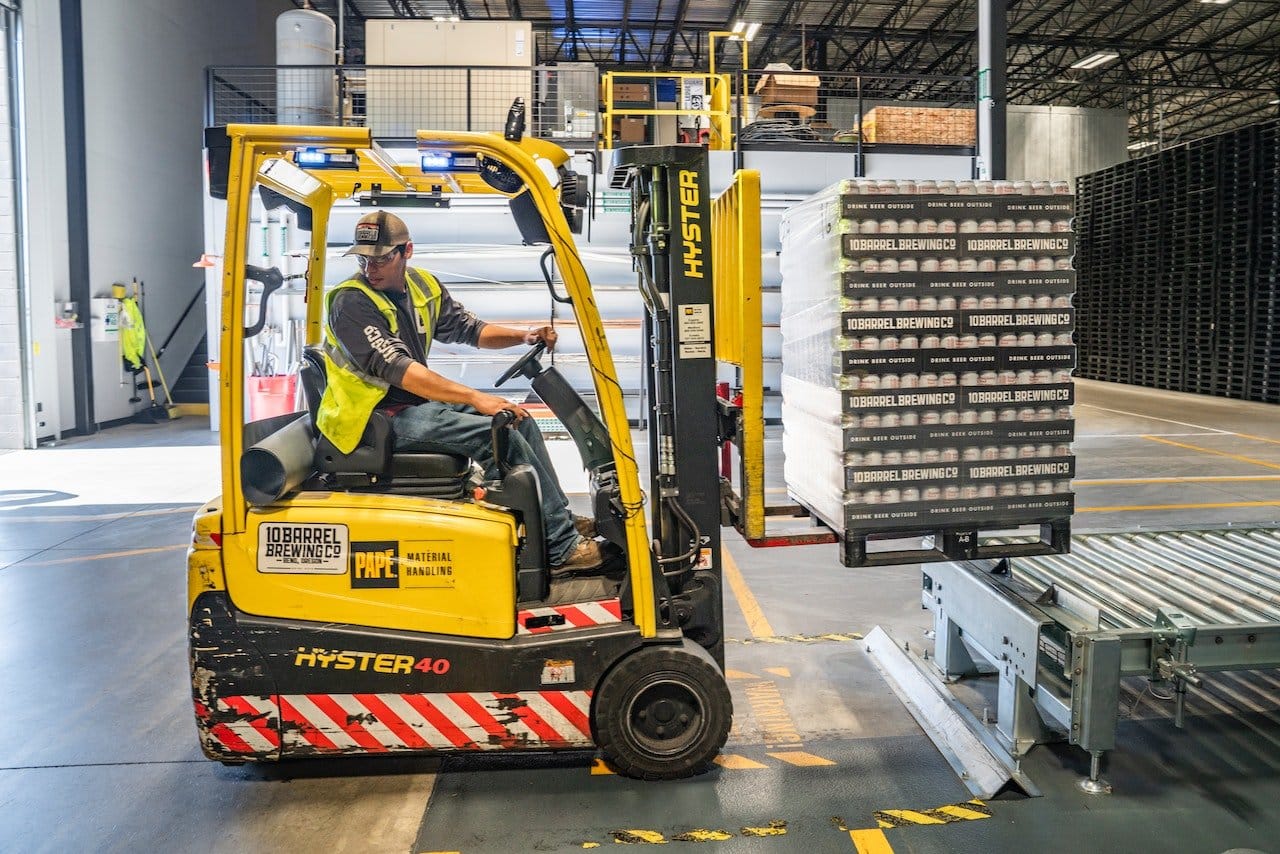
Receiving, storage, order assembly, and returns each involve product-specific checks. The following steps describe how instruments and accessories move through the warehouse.
1. Condition and Data Capture
Receiving teams compare incoming quantities with shipment records and note visible carton damage before stock enters active storage. Teams can also record serial numbers, dimensions, weights, or condition details when the product record calls for them.
2. Storage by Physical Profile
Compact accessories fit well in bins or shelving, while guitars, keyboards, stands, amplifiers, and other long or bulky cartons need storage locations sized for their packed dimensions. Warehouse teams also shouldn’t move fragile products more than needed once they’re stored.
3. Order Assembly and Packout
Pickers verify the correct model, variation, and quantity for each order. If an order pairs an instrument with a case, cable, stand, adapter, or another accessory, the contents should be checked before packing.
4. Returns Inspection
Returned instruments and gear need checks for visible damage, missing accessories, carton condition, and serial number where serial tracking applies. Products awaiting inspection shouldn’t go back into sellable inventory until the review is complete.
5. Final Packing and Shipping Verification
Before carrier handoff, verify that protective packaging secures the instrument, required accessories are included, and the finished carton’s dimensions and weight match the selected shipping service. Confirm any serial records required for the outbound unit.
When In-House Fulfillment Starts Working Against the Catalog
Outsourcing is worth considering when storage pressure, packing backlogs, damage claims, inventory errors, or shipping work start consuming too much internal time. Large instruments can also require warehouse locations and packing areas that become harder to maintain as order volume rises.
Compare receiving, storage, picking, packaging, shipping, returns, and special handling costs against the current operation before moving inventory.
What to Ask Before Moving Instruments to a 3PL
A warehouse should be able to discuss the actual dimensions, values, packing instructions, and shipping profiles in your catalog. Broad claims about fragile-item handling don’t tell you how your specific products will be managed.
- How are long, bulky, and fragile cartons stored?
- Can serial numbers be recorded at receiving, shipment, and return when required?
- How is visible inbound damage documented?
- Which SKUs need overboxing, cushioning, or separate packing instructions?
- Which package dimensions trigger special handling or carrier surcharges?
- How are instruments and included accessories checked before shipment?
- What happens to returned items before they return to sellable inventory?
Musical Instrument Fulfillment With Speed Commerce
Speed Commerce handles B2C fulfillment, B2B fulfillment, receiving, storage, inventory management, pick and pack, returns, kitting, and freight management.
Musical instrument sellers can discuss carton dimensions, SKU counts, packing instructions, accessory combinations, order volume, and shipping profiles before inventory moves into the warehouse. It’s especially helpful to flag large cartons, fragile products, serialized units, and orders that combine instruments with accessories.
Musical instrument fulfillment raises practical questions about fragility, carton size, serial tracking, accessory matching, and returns. These answers cover several points sellers often review before moving inventory to a 3PL.
Q: Can a 3PL Handle Guitars, Keyboards, and Other Large Instruments?
A: Yes, if the warehouse accepts the product dimensions and has suitable storage and shipping procedures. It’s worth confirming the packed size and weight of larger SKUs before inventory arrives.
Q: How Should Fragile Instruments Be Packed?
A: Packing should limit movement and protect vulnerable surfaces, edges, keys, connectors, and other exposed components. The materials used should match the instrument and its packing instructions.
Q: Can a 3PL Track Instrument Serial Numbers?
A: Yes, if the warehouse system and operating process are set up for serial capture. It’s worth confirming when serial numbers are recorded and whether they stay tied to shipment and return records.
Q: Can Accessories Ship With the Instrument?
A: Yes. Cases, cables, stands, adapters, straps, and other accessories can be picked with the instrument when each component is clearly identified in the order or kit record.
Q: What Affects Musical Instrument Fulfillment Costs?
A: Storage footprint, package dimensions, weight, order complexity, protective materials, shipping distance, carrier surcharges, return inspection, and special handling can all affect total cost.
Insights

Should Your First U.S. Node Be California?
California is certainly tempting with it’s huge ports, deep carrier options, serious parcel reach across the West. It can also burn cash if your customer base lives east of the Mississippi or if your delivery promise is too aggressive. This piece gives you a straight answer and a path you can execute without needing a…
Read More

You’ve Heard of Maersk. What Do They Actually Do, & How Big Are They to Logistics?
Maersk is a multi-segment operator providing services that include ocean liner services, container terminals, contract logistics and e-commerce fulfillment, customs brokerage, and a growing air cargo arm. In ocean capacity it sits behind MSC but ahead of CMA CGM, COSCO, and Hapag-Lloyd. Reliability has improved with the new Gemini Cooperation network with Hapag-Lloyd, which has…
Read More

Logistics Pulse Check: What the Latest Financial Results of 20 Logistics Companies Are Telling Us Now
Freight’s still moving. But showing up at different times, in different modes, and from different origins. That’s what tariffs tend to do: they may not shut the door; they’ll push shippers to find another door. We looked at 2025 financial results of 20 significant players in the logistics industry from 3PLs to shippers to gauge…
Read More
Looking for a better fulfillment solution?
A fulfillment expert will get back to you within 1-2 business days.