

The eCommerce industry is undergoing a significant transformation, with influencer marketing emerging as a pivotal force. And recently, traditional metrics of success—such as follower count—are being replaced by more nuanced measures of influence and engagement.
Customers now value trust over trends. That’s why they prefer influencers who can offer honest recommendations that resonate with their audience on a personal level. This shift is redefining how brands build loyalty and drive conversions in an increasingly competitive marketplace.
The Nano-Influencer Revolution
Although some brands prefer celebrities since they have access to larger audiences, nano-influencers possess a depth of relationships and influence on purchase decisions. Nano-influencers are content creators with 1,000 to 10,000 followers who pack a powerful punch in the marketing world.
While celebrities and mega-influencers command massive followings, nano-influencers have emerged as particularly effective drivers of consumer behavior. Let’s explore the key differentiators across influencer tiers:
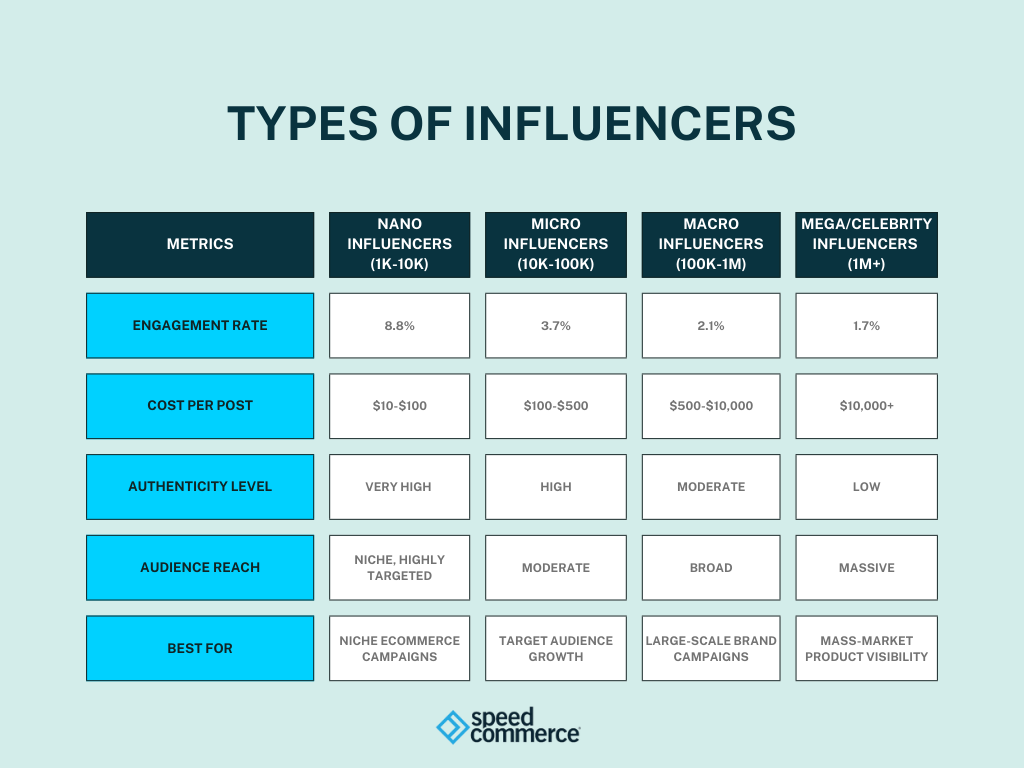
Unlike celebrity endorsements, these influencers offer:
- Genuine Trust: Their recommendations feel like advice from a trusted friend rather than a sales pitch.
- Highly Engaged Audiences: Smaller, more focused communities that demonstrate higher conversion rates.
- Authentic Connections: A depth of relationship that transcends mere follower numbers.
To fully capitalize on the trust and engagement built by nano-influencers, brands need robust merchandise fulfillment solutions to ensure that every order meets customer expectations for speed and accuracy.
Authenticity Drives More Conversion
Authenticity is more than just a buzzword—it’s a fundamental paradigm shift in how customers interact with brands.
Consumers are becoming increasingly savvy. Perfectly staged photos and scripted content are losing their magic. Today’s audience, especially millennials and Gen Z, craves raw, real content. Studies show that 63% of younger consumers would rather buy from an influencer who feels genuine and relatable.
Authenticity has become the new “currency” because it builds trust. And in a digital marketplace overwhelmed with choices, trust is the most critical factor in converting interest into actual purchase decisions. Consumers are essentially asking: “Can I believe this? Does this feel real?”
How To Use Influencer Marketing for eCommerce?
1. Establishing Clear Campaign Objectives
Successful influencer marketing begins with precise goal setting. Brands must define specific, measurable objectives that align with their broader marketing strategy. Potential goals include:
- Increasing brand awareness
- Driving website traffic
- Generating sales conversions
- Expanding market reach
- Enhancing brand credibility
Clear objectives provide a strategic framework for campaign development and enable accurate performance measurement.
2. Be Strategic In Choosing Your Influencer
Identifying the right influencers requires a comprehensive evaluation process focused on three criteria:
- Relevance: The influencer’s content must match with your brand’s target audience. Ensure to analyze if their audience and your brand positioning aligns and verify thematic consistency with your product or service offering.
- Engagement quality: Engagement rates wins over raw follower numbers. Evaluate metrics such as comments, interaction frequency and audience responsiveness.
- Authenticity: Validate the depth of relationship between the influencer and their audience. This would ensure potential patterns can trust that the influencer has the credibility to endorse the brand.
3. Develop a Collaborative Strategy
Work with influencers to create content that resonates with their audience while promoting your products. Strategies include:
- Sponsored Content: Partner with influencers to create posts or videos featuring your products.
- Product Reviews: Provide products for honest reviews to build credibility.
- Giveaways and Contests: Engage audiences through interactive promotions.
Collaborative content should feel natural and align with the influencer’s typical posts to maintain authenticity.
4. Use Multiple Platforms
Different social media platforms cater to various demographics. And, each platform offers unique opportunities for influencer collaborations. Choose platforms that best reach your target audience.
5. Monitor and Measure Performance
Track the performance of your influencer campaigns using metrics such as:
- Engagement Rates: Likes, comments, shares, and views.
- Website Traffic: Increases in visits and conversions from influencer links.
- Sales Data: Revenue generated from influencer promotions.
Analyzing these metrics helps assess ROI and refine future strategies.
6. Comply with Legal and Ethical Standards
To maintain transparency and protect your brand’s reputation, ensure all influencer partnerships comply with advertising regulations by requiring influencers to clearly disclose sponsored content. Additionally, encourage authentic reviews to foster trust with consumers and uphold ethical standards in your campaigns.
Tactics Influencers Use To Drive Conversion
Influencers acts as sophisticated marketers with the following strategies to drive sales:
- Seamless Shopping Integration: Social media platforms now allow direct purchasing through posts. A simple Instagram photo can instantly become a shopping experience.
- Exclusive Deals: Unique discount codes create a sense of insider access. When an influencer offers “10% off just for my followers,” it feels like a personal invitation.
- Affiliate Marketing: By earning commissions on sales, influencers are incentivized to create truly convincing content. In fact, major eCommerce brands saw a 25% sales increase through influencer-generated affiliate links.
- User-Generated Content (UGC): Influencers share their own experiences with products to amplify the campaign’s reach and authenticity. The cycle of influencer-driven and follower-generated content builds trust and drives long-term sales.
The Future Outlook
As we move into 2025, the most successful brands will be those that understand one simple truth: marketing is about building relationships.
Influencer marketing has evolved from a supplementary strategy to a critical component of eCommerce success. Brands that understand and implement these principles will be best positioned to connect with modern consumers and drive meaningful engagement and sales.