Retail Logistics Explained: Trends, Benefits, and 3PL Solutions
Retail logistics and fulfillment cover everything needed to get products from a retailer to the customer, including warehousing and inventory management. This process is important for eCommerce businesses that sell physical products, large or small.
Businesses lacking expertise in this field may turn to third-party logistics (3PL) companies for retail logistics solutions. 3PLs have warehouses, transportation networks, and technology already in place, so retailers don’t have to start from scratch in-house or spend resources.
Looking for a better fulfillment solution?
A fulfillment expert will get back to you within 1-2 business days.
What Is Retail Logistics?
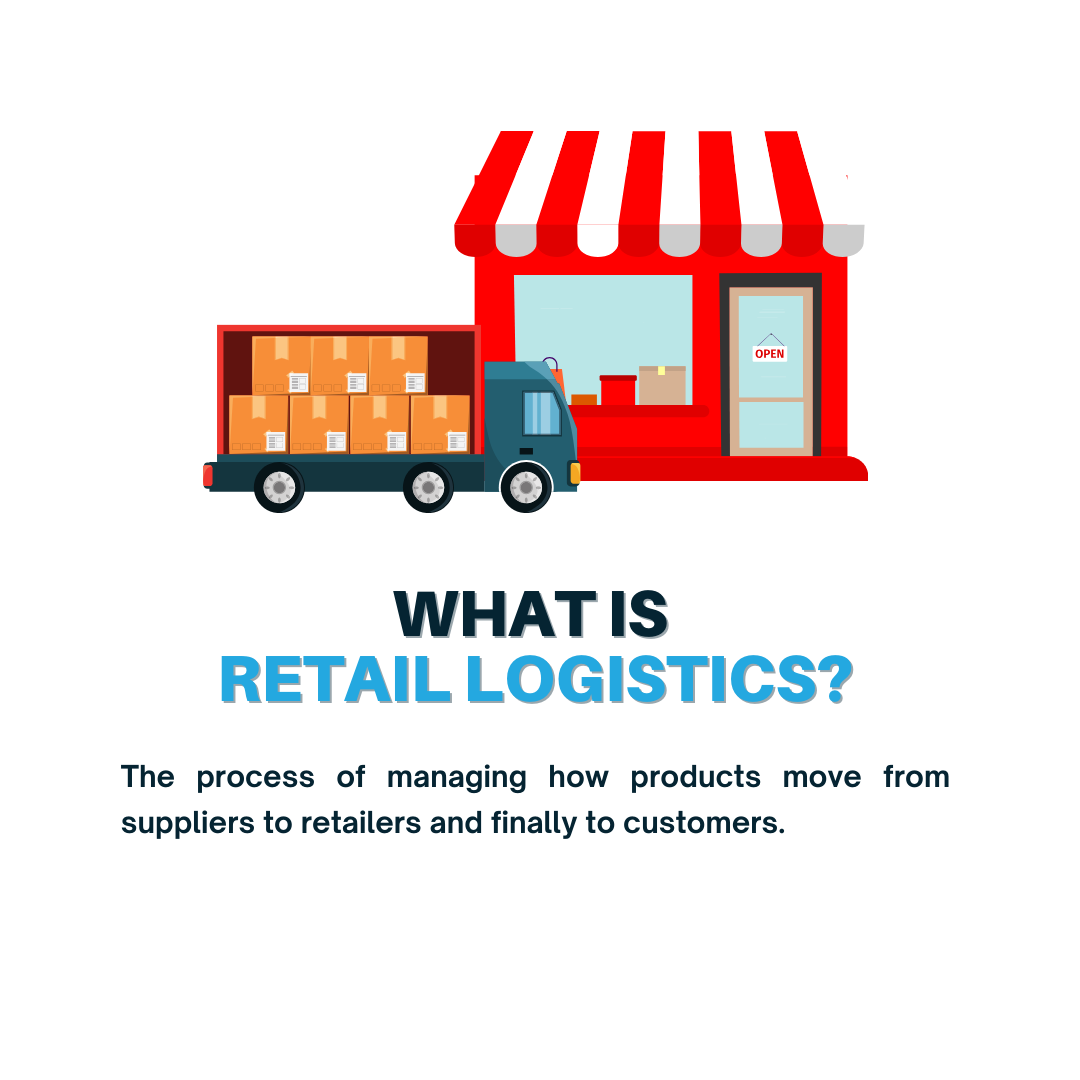
Retail logistics is the process of managing how products move from suppliers to retailers and finally to customers.
It includes everything involved in receiving, storing, and transporting goods, and also covers returns for when customers send them back.
When logistics run smoothly, customers receive their orders on time. This can lead to positive reviews, repeat business, and stronger brand loyalty.
Global Retail Logistics: Market Overview
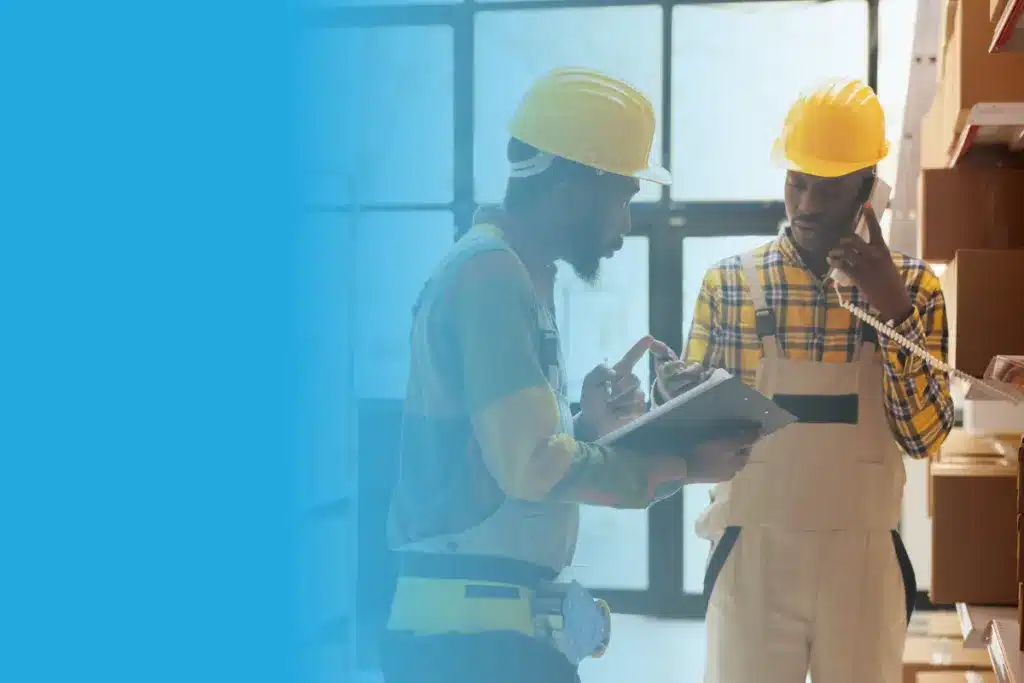
In 2022, the global retail logistics market was valued at USD 246.85 billion and is expected to grow at an annual rate of 12.5% through 2030. It is largely driven by increased global trade and expanding transportation networks. The World Trade Organization reported that global goods trade rose by 12% in 2022 to USD 25.3 trillion, partly due to higher commodity prices and demand in developing regions.
Conventional retail logistics remains a significant part of the market. It made up 56.1% of revenue in 2022 due to many consumers who, even after researching products online, still prefer shopping in physical stores.
Around 36% of shoppers choose traditional retail outlets, which shows the ongoing importance of conventional logistics alongside the growth of online retail.
Latest Shipping Services & Fulfillment News 2025
January
- In January 2025, U.S. retail sales increased by 5.44% compared to the same month in 2024, driven by strong job markets and wage growth surpassing inflation rates. However, consumer confidence declined by 5.4% during the same period, with individuals expressing less optimism about future business conditions and employment prospects.
Reference: “January retail sales up 5.44%, consumer confidence falls” (https://talkbusiness.net/2025/02/january-retail-sales-up-5-44-consumer-confidence-falls/)
February
- According to a recent report by Technavio, the online fashion retail market in the United States is projected to grow by $303.9 billion between 2025 and 2029, driven by increased online spending. The report also highlights the transformative role of artificial intelligence in reshaping the market landscape.
Reference: “Online Fashion Retail Market in US to Grow by USD 303.9 Billion from 2025-2029, Rise in Online Spending Drives Growth, Report on How AI is Redefining Market Landscape – Technavio” (https://www.prnewswire.com/news-releases/online-fashion-retail-market-in-us-to-grow-by-usd-303-9-billion-from-2025-2029–rise-in-online-spending-drives-growth-report-on-how-ai-is-redefining-market-landscape—technavio-302374218.html)
August
- Parcel carriers tightened pricing. Effective August 18, FedEx will round up any fraction of an inch for dimensional weight calculations, and UPS will mirror the change the same day. Expect higher billed weights on many parcels; audit carton sizes and DIM vs. actual to manage costs.
Reference: “UPS matches FedEx with dimensional weight change.” (https://www.supplychaindive.com/news/ups-dimensional-weight-rounding-change/756929/)
Retail Logistics Carousel
Use our Speed Commerce retail logistics carousel to learn about what retail logistics is, how the process works, its challenges, and more.
Discover How Retail Logistics Can Transform Your Business
request a quoteComponents and Functions of Retail Fulfillment
Below are the main components that make up the retail fulfillment process. Together, these retail fulfillment services and components ensure a smooth shopping experience.
Inventory Management
Inventory management involves tracking, organizing, and storing products in warehouses or fulfillment centers.
The goal is to keep an optimal stock level to meet customer demand without overstocking, which ties up capital, or understocking, which can lead to lost sales.
Inventory management systems (IMS) help automate inventory levels, reorder points, and forecasting.
Order Management
Order fulfillment and management is the process of tracking and fulfilling customer orders from placement to delivery. This component ensures that orders are received accurately, confirmed, processed, and passed through to the warehouse.
It also includes managing payments, updating customers, and handling cancellations.
Warehouse Operations
Warehouse operations cover all activities related to storing, organizing, and handling products in fulfillment centers. This includes receiving shipments, sorting items, picking and packing orders, and managing warehouse staff and workflows.
Efficient warehouse operations rely on techniques like slotting optimization (determining optimal product locations) and picking strategies (e.g., batch picking) to speed up order fulfillment.
Shipping and Logistics
Shipping and logistics involve the movement of goods from the warehouse to the customer’s doorstep. This step includes choosing the most suitable carriers, arranging transportation, and determining shipping routes. Logistics management focuses on optimizing delivery times with advanced software.
Returns Management
Returns management, or reverse logistics, handles the process of receiving, inspecting, restocking, or disposing of returned products. This includes creating clear return policies and providing prepaid return labels.
Effective returns management matters greatly as it guarantees a hassle-free returns process.
Technology Integration
Technology integration connects various systems across fulfillment and logistics to improve efficiency, accuracy, and data visibility. These integrations allow for real-time data exchange, automation, and centralization of operations, which helps companies meet customer expectations more effectively.
Customer Service
Customer service supports all stages of fulfillment by addressing inquiries, resolving issues, and providing order updates. It plays an important role in maintaining customer satisfaction by answering questions about products, orders, shipping, and returns.
See How 3PLs Can Boost Your Customer Satisfaction
request a quoteTypes of Retail Logistics
Below are the different types of retail fulfillment methods:
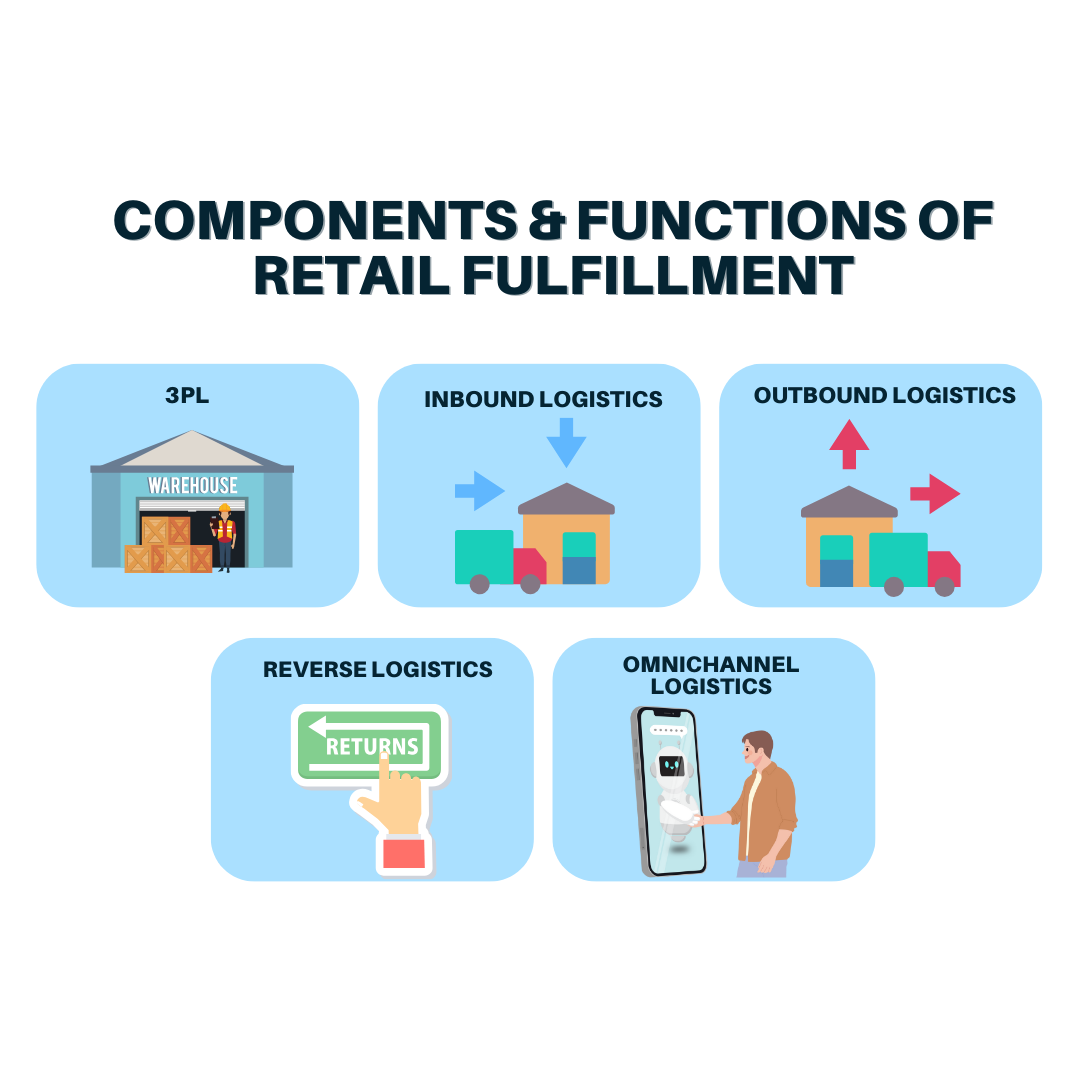
Third-Party Logistics (3PL)
3PLs in retail fulfillment involve outsourcing logistics operations—such as warehousing, inventory management, order processing, shipping, and returns handling—to a specialized external provider.
In retail, they act as a partner that manages these essential fulfillment tasks on behalf of the retailer.
3PLs bring expertise, infrastructure, and technology that many retailers might find costly or challenging to develop in-house. They often have networks of strategically located warehouses and access to multiple shipping carriers, which enables faster, cost-effective delivery and optimized inventory management.
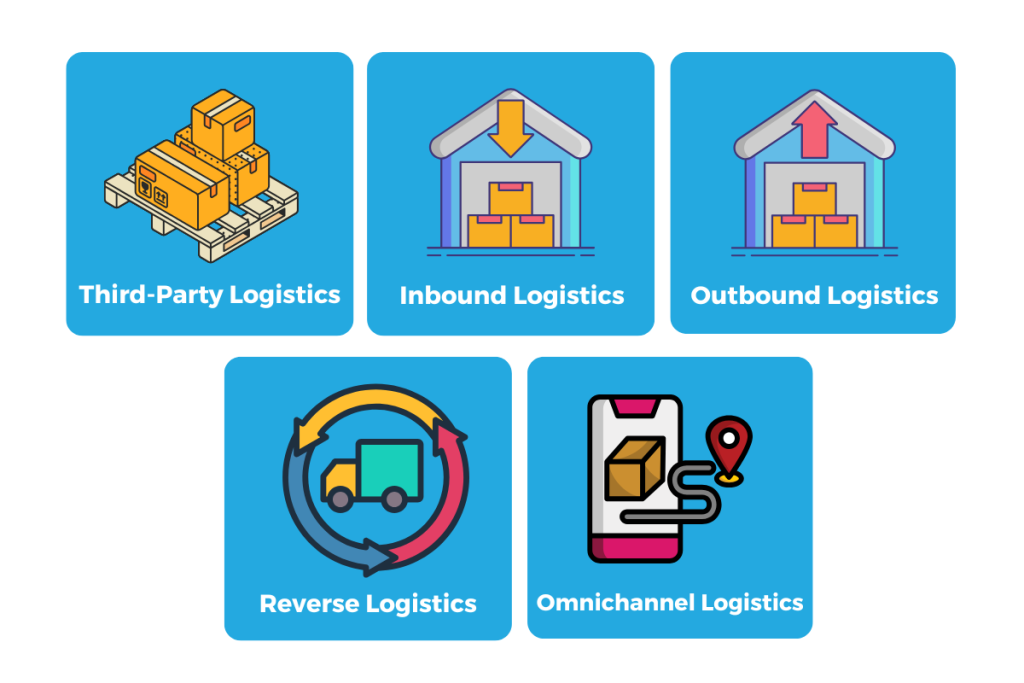
Inbound Logistics
Inbound logistics in retail fulfillment refers to the process of managing the transportation, receiving, and storage of goods and materials from suppliers or manufacturers to a retailer’s warehouse or fulfillment center.
This stage includes coordinating shipments, tracking inventory as it arrives, inspecting goods for quality, and organizing them for efficient storage. Inbound logistics ensures that products are in good condition before they move on to the next stages in the supply chain.
Effective inbound logistics reduce lead times, lower storage costs, and contribute to an overall smoother fulfillment operation.
Outbound Logistics
On the other hand, outbound logistics deals with moving products out of the fulfillment center and delivering them to customers. It includes picking, packing, shipping, and handling last-mile delivery.
Reverse Logistics
Unlike traditional logistics, which focuses on moving products from the warehouse to the customer, reverse logistics involves the reverse flow—from the customer back to the retailer or manufacturer.
This process includes receiving returned items, inspecting them for quality, restocking eligible items, processing refunds, or arranging for repairs or disposal if the product is unusable.
Revere logistics allows retailers to recapture value from returned goods through restocking or refurbishment. It also helps retailers identify product quality issues, track return reasons, and make data-driven improvements to reduce future returns.
Omnichannel Logistics
Omnichannel fulfillment is a strategy that enables businesses to meet customer demand through multiple channels, whether online or in-store. It aims to offer customers flexibility in how, when, and where they receive their orders.
Common fulfillment options in omnichannel strategies include:
- Ship from Store. Using local stores as fulfillment centers to shorten delivery times.
- In-Store Pickup (BOPIS). Customers can purchase online and pick up in a physical store.
- Curbside Pickup. A variant of BOPIS, where customers pick up their orders outside the store.
- Direct-to-Consumer Delivery. Orders placed online are fulfilled directly from distribution centers or warehouses
Retail Logistics Challenges
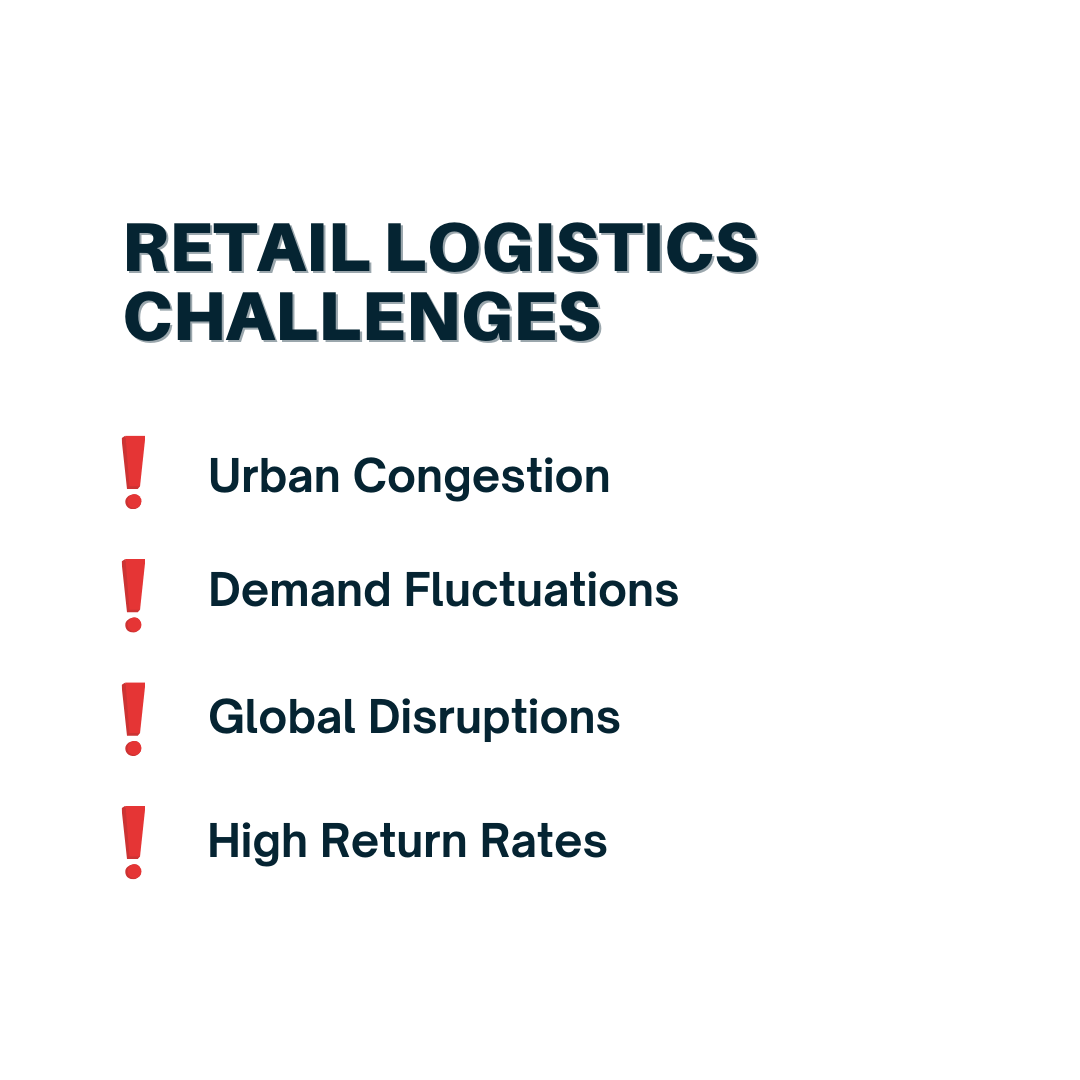
Knowing the challenges in retail logistics helps businesses identify when and where to step in. Here are some of the top challenges that retailers could encounter:
- Urban Congestion – Urban congestion impedes the efficient movement of goods within cities, particularly in densely populated areas where demand for goods is high. This forces logistics companies to build extra buffer times into delivery windows.
- Demand Fluctuations – Retailers struggle to maintain the right amount of inventory during demand peaks and troughs. If demand surges unexpectedly, stockouts may occur. Conversely, overestimating demand can result in excess inventory, leading to high storage costs, markdowns, and potential waste.
- Global Disruptions – Disruptions increase costs across the board. For instance, when fuel prices spike due to geopolitical conflicts or natural disasters, transportation costs rise significantly. Similarly, material shortages (such as during semiconductor shortages) inflate costs for certain products, which ultimately impacts the retailer’s profit margins and can lead to price increases for consumers.
- High Return Rates – High return rates disrupt inventory flow and make it challenging to maintain accurate stock levels. When returns arrive, they must be processed and restocked or redirected to different channels (such as outlets or liquidation). This “reverse flow” complicates inventory tracking and forecasting, as returned items may be temporarily out of stock or require refurbishment before they can be resold.
How a 3PL Partner Can Help With Retail Logistics
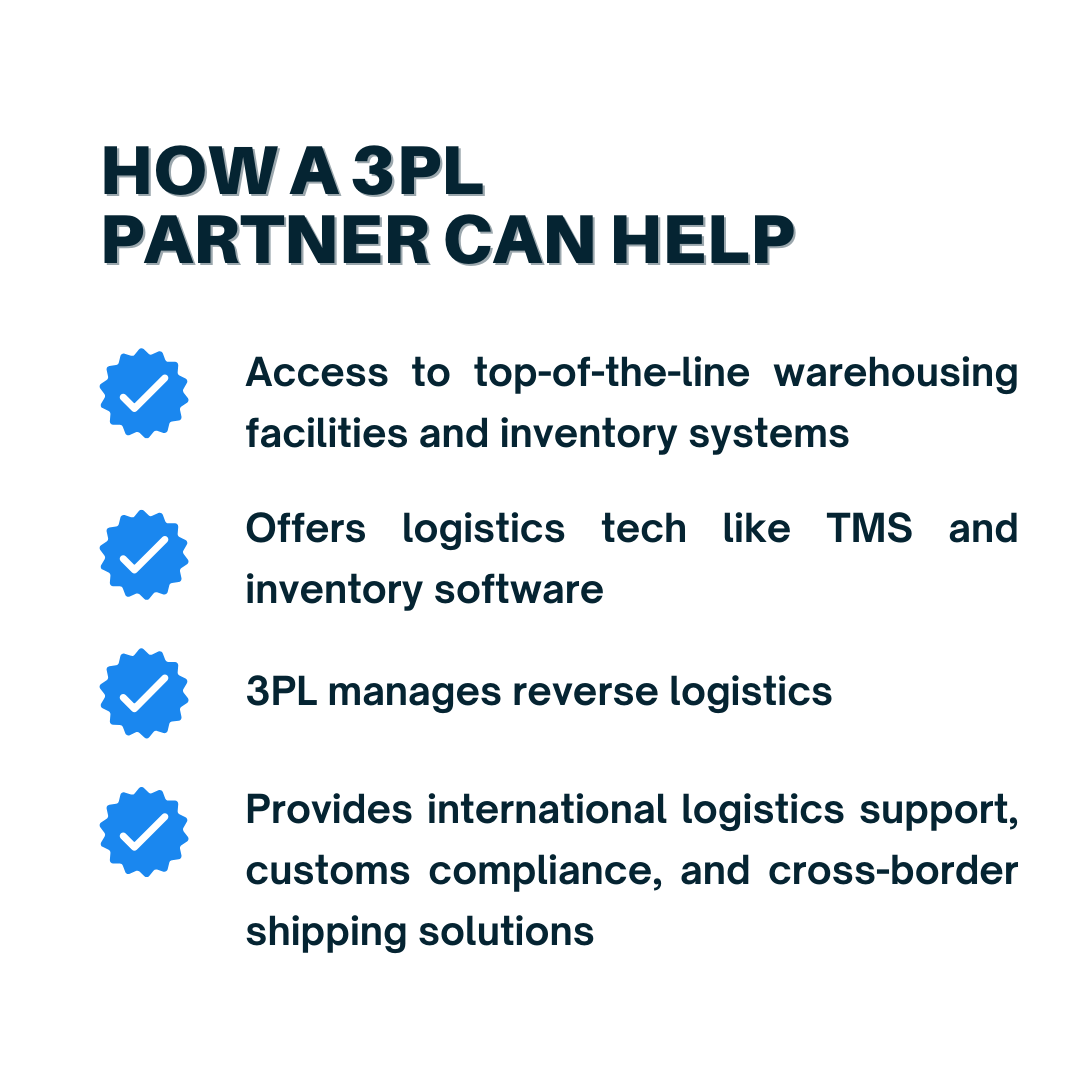
Partnering with a 3PL allows retailers to navigate logistical complexities, scale operations, and improve service levels without the need for extensive in-house logistics infrastructure.
As eCommerce and customer expectations continue to grow, 3PLs help retailers stay on top of their game.
| With 3PL | Without 3PL | |
|---|---|---|
| Warehousing and Inventory Management | Access to top-of-the-line warehousing facilities and inventory systems | Requires own warehouse and inventory management |
| Last-Mile Delivery | Handled by 3PL | Must coordinate independently |
| Technology and Data Analytics | Offers logistics tech like TMS and inventory software | Requires own investment in tech solutions |
| Returns Management | 3PL manages reverse logistics | Requires in-house return handling |
| Global Logistics Expertise | Provides international logistics support, customs compliance, and cross-border shipping solutions | Faces challenges in handling international logistics and meeting regulatory requirements independently |
Make Smarter Choices For Your Business
check them outRetail Logistics Best Practices
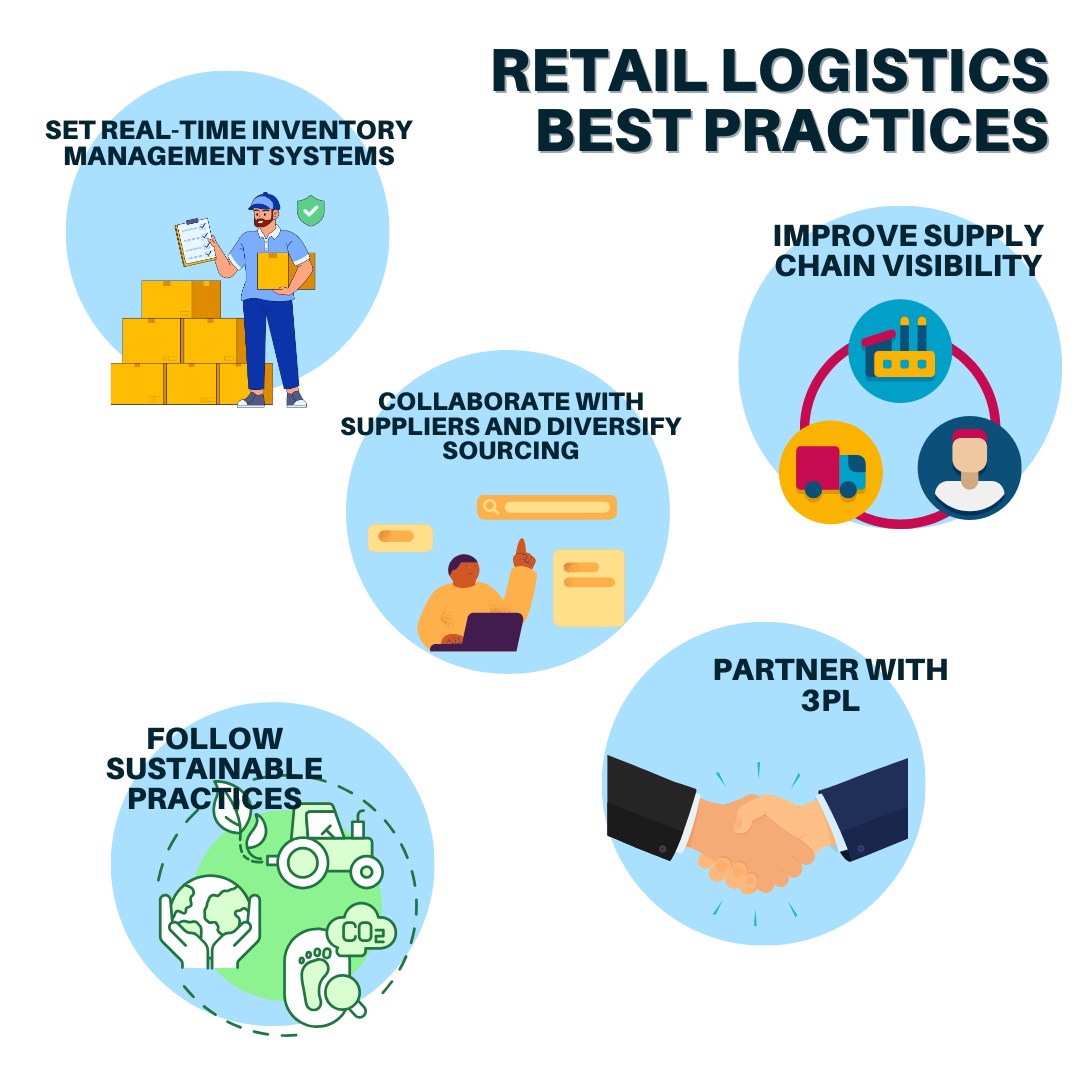
Here are the top retail logistics solutions that every business should implement:
Set Real-Time Inventory Management Systems
Real-time data helps businesses do many things. For one, tracking minimizes discrepancies between recorded and actual stock levels to prevent stockouts or overstocking. With accurate inventory data, retailers can also give customers reliable information on product availability and automate restocking processes.
Better stock management reduces unnecessary storage and handling costs, ultimately increasing profitability.
Collaborate With Suppliers and Diversify Sourcing
COVID-19 highlighted the fragility of global supply chains. By diversifying suppliers across regions, retailers can better withstand sudden disruptions or delays in one area. This helps businesses implement more agile inventory systems.
In addition, having good relationships with suppliers leads to more consistent delivery timelines. Suppliers invested in a long-term partnership will make an effort to fulfill orders on schedule and will likely offer discounts that they won’t usually offer to others.
Improve Supply Chain Visibility
Visibility allows for immediate detection of issues such as delayed shipments, production stoppages, or inventory shortages. By identifying these disruptions early, retailers can quickly implement contingency plans, find alternative suppliers, or reroute shipments to minimize impact.
To improve supply chain visibility, businesses can utilize technologies like IoT sensors, RFID, GPS tracking, and cloud-based SCM platforms to provide real-time data on inventory, shipments, and demand.
Follow Sustainable Practices
From a brand perspective, sustainable logistics practices resonate strongly with consumers, who increasingly favor brands that align with their environmental and ethical values. Retailers can differentiate themselves by implementing eco-friendly initiatives like reducing carbon emissions and optimizing transportation routes.
Partner with 3pl
3PL is one of the best retail logistics solutions that businesses can adopt. 3PLs operate on a global scale to help retailers reach new geographic markets easier and faster. They bring specialized knowledge in retail logistics and fulfillment and have access to advanced technologies that are hard to come by.
A 3PL’s established networks and resources can also improve delivery times, reduce transportation costs, and ease retail fulfillment processes altogether.
Frequently Asked Questions About Retail Logistics
Q: What are the 3P’s of retail?
A: The 3 P’s of retail refer to Product, Price, and Place. These include providing the right products, setting competitive prices, and offering them in the right locations.
Q: What is the fulfillment process in retail?
A: The fulfillment process in retail involves managing orders from the point of sale to delivery. It includes receiving orders, picking products from inventory, packing them for shipment, and delivering the goods to customers.
Q: What are the logistics activities of retail?
A: Retail logistics activities include inventory management, warehousing, order processing, transportation, and delivery. These activities ensure that products are stored, moved, and delivered efficiently from suppliers to retail locations or directly to customers.
Q: Why is logistics important in the retail industry?
A: Logistics ensures that the right products are available at the right place and time. When done right it reduces costs, improves delivery speed, and provides flexibility.
Q: What is the value chain in retail logistics?
A: The value chain in retail logistics refers to the sequence of activities involved in getting a product from its origin to the end consumer. This includes procurement, inbound logistics (receiving and storing products), inventory management, order fulfillment, distribution, and customer service.
Q: What are the three different types of retail?
A: The three different types of retail are brick-and-mortar (physical stores), e-commerce (online retail), and omnichannel retail, which integrates both physical and online sales channels.
Choose Better Retail Logistics Services With Speed Commerce

Speed Commerce is more than just a 3PL provider. We’re an end-to-end retail logistics partner that delivers scalable, customer-focused solutions designed specifically for eCommerce brands.
We support business growth by providing exceptional customer experience services, including 24/7 customer service, streamlined order fulfillment, and advanced warehousing.
And with decades of experience in eCommerce order fulfillment, and customer service, we know what it takes to fulfill your brand’s promise to its customers, every single day.
Contact us today for scalable retail logistics solutions tailored to your business needs.
More Retail Logistics & 3PL Resources From Speed Commerce
Retail Logistics
The process of managing how products move from suppliers to retailers and finally to customers.
Dropshipping
Retail fulfillment method where a business sells products without holding inventory.
Canada Fulfillment
The logistics process of storing, packing, and shipping eCommerce orders within or to Canada.
WooCommerce
An open-source eCommerce plugin designed for WordPress.

How to Ship Skincare Products: Tips for Quality and Speed
Shipping beauty and skincare products is more than just getting them from point A to point B. It’s about ensuring every serum, cream, or makeup item arrives looking as flawless as when it left your warehouse. As an eCommerce skincare…
READ MORE »
Pick & Pack Solutions: Top 5 Warehouse Picking and Packing Strategies
Updated January 19th, 2025 – What is pick packing? It’s a critical process in order fulfillment that involves selecting items from inventory and securely packing them for shipment. In today’s fast-paced eCommerce industry, efficient pick-and-pack operations are more important than…
READ MORE »
Examples of 3PL Company Providers & Some That Are Not (& Is DHL Really a 3PL?)
What is 3PL in Logistics & Supply Chain? Updated June 28, 2024 – In the world of logistics and supply chain management, businesses must seek methods to optimize, scale, and enhance their operations in order to grow. Central to these…
READ MORE »