Specialized Fulfillment Services
Turbocharged
Scale in the fast lane with 40+ years
of proven reliability
A need for Speed? Accelerate your growth!
Fulfillment experts since 1982
Talk With Our Fulfillment Team
Request a Quote
Fields marked * are required.
Thank you for your interest in Speed Commerce.
For urgent needs, give us a call at 866-413-3402.
A fulfillment expert will get back to you within 1-2 business days.



eCommerce
Fulfillment
B2B
Fulfillment
Call Center
Services
Specialized Fulfillment Services
A standard pick, pack, and ship routine doesn’t suit every product or order program. Fragile goods, oversized items, regulated products, high-SKU catalogs, crowdfunding campaigns, custom gift orders, and promotional programs each come with their own warehouse rules. Specialized fulfillment folds those rules into one defined operation that covers receiving, storage, inventory control, packing, shipping, and returns. Manufacturers, wholesalers, online sellers, nonprofits, and other businesses can handle unusual fulfillment work this way, without building a separate warehouse process for every order type.
When Standard Fulfillment Isn’t Enough
Standard warehouse procedures work well for straightforward products and repeatable orders. Specialized goods come with extra handling, storage, packing, labeling, or shipping requirements, and those need their own instructions.
Order programs create the same problem. A Kickstarter launch, promotional mailing, gift campaign, or backorder release can run on a very different workflow than everyday eCommerce orders.
Products That Need Specialized Handling
Fragile, Lightweight, and Small Items
Fragile products need packing that keeps items from shifting and covers vulnerable surfaces or components. Lightweight and small-item catalogs raise a different worry. Similar SKUs, loose pieces, and compact accessories are easier to mix up during picking.
Heavy, Oversized, and High-Value Goods
Large or heavy products need the right storage locations, material-handling equipment, sturdy cartons, and shipping methods that match the finished package profile. High-value goods can also call for tighter inventory records, condition checks, or serial tracking.
High-SKU and High-Volume Inventory
Large SKU catalogs depend on clear product records, organized storage locations, and accurate picking rules. High-volume programs put added pressure on receiving, packing stations, carrier handoff, and inventory replenishment.
Regulated, Hazardous, Aerosol, Flammable, and Leakable Products
These products need to pass acceptance checks before inventory reaches the warehouse. Storage, packaging, labeling, documentation, and carrier requirements can differ depending on product classification and shipping method.
More Value. Better Service. No Speed Bumps Ahead.
Get StartedSpecialized Fulfillment for Different Sellers
Specialized fulfillment isn’t limited to one business type. The warehouse setup should reflect how each seller manages inventory, order volume, sales channels, and custom work.
| Seller Type | Typical Fulfillment Need | Warehouse Consideration |
|---|---|---|
| Manufacturers | Finished goods, parts, wholesale orders | Inventory organization and B2B shipping |
| Wholesalers | Case quantities and larger orders | Pallets, carton labels, and scheduled receiving |
| Enterprises | Multiple channels and high order volume | Inventory visibility and repeatable workflows |
| Small businesses | Growing order volume and limited warehouse space | Storage, picking, packing, and carrier handoff |
| Nonprofits | Campaign kits, donations, event materials | Batch orders and project-based packing |
| Online sellers | DTC, marketplace, and multi-channel orders | SKU accuracy and channel requirements |
| Individual sellers | Limited inventory or project-based shipping | Clear receiving and order instructions |
One warehouse can run very different order profiles, as long as each program has its own defined inventory, packing, and shipping rules.
- Manufacturers and Wholesalers – Define how finished goods, parts, case quantities, pallets, carton labels, and B2B receiving appointments will be handled.
- Enterprises and Online Sellers – Align SKU records and inventory visibility across DTC, marketplace, wholesale, and other sales channels.
- Small Businesses and Individual Sellers – Agree on receiving, storage, packing, carrier handoff, and project-specific instructions as volume changes.
- Nonprofits and Campaign Teams – Document kit contents, batch-order quantities, event deadlines, and campaign-specific packaging.
- Mixed Seller and Order Programs – Keep distinct packing, labeling, and shipping rules attached to each seller or program so workflows don’t get mixed.
Fulfillment Programs That Don’t Follow the Usual Order Flow
Kickstarter and Crowdfunding Campaigns
Crowdfunding campaigns can produce a large batch of orders once inventory arrives. Reward tiers, stretch-goal items, inserts, and international backers add more picking and packing combinations than a routine store order does.
Wayfair and Marketplace Orders
Marketplace orders can come with platform-specific labeling, routing, carton, and shipment requirements. Inventory records also have to stay in step with the sales channel as orders move through fulfillment.
Dropshipping and Backorders
Dropshipping orders can go straight from inventory to the end customer, skipping traditional retail distribution. Backorders follow a different pattern. Orders are held until replenishment arrives, then released for fulfillment.
International Shipping
International orders can call for customs documentation, product information, destination checks, and carrier selection. Review shipping restrictions before accepting products or launching sales in another market.
Beyond Pick, Pack, and Ship
Product Sampling and Promotional Campaigns
Sampling programs can involve large quantities of small products, inserts, campaign-specific packaging, or segmented recipient lists. Promotional work can also need batch processing around launch dates or events.
Gift Fulfillment
Gift orders can include wrapping, messages, inserts, multiple products, or seasonal packaging. Clear packing instructions keep every order true to its intended presentation.
Custom Packaging
Custom cartons, tissue, inserts, stickers, and other packaging elements become part of the packout instructions. Packaging inventory should be tracked alongside the products used in each order.
Private-Label and Licensed Products
Private-label and licensed goods can come with specific packaging, labeling, presentation, or inventory rules. Keep those instructions tied to the correct SKU or program.
Merchandise and Custom Projects
Merchandise programs can combine apparel, accessories, printed materials, collectibles, and promotional items in one warehouse operation. Project-based work can also cover event kits, employee gifts, campaign mailings, and other nonstandard orders.
How Specialized Fulfillment Work Is Set Up
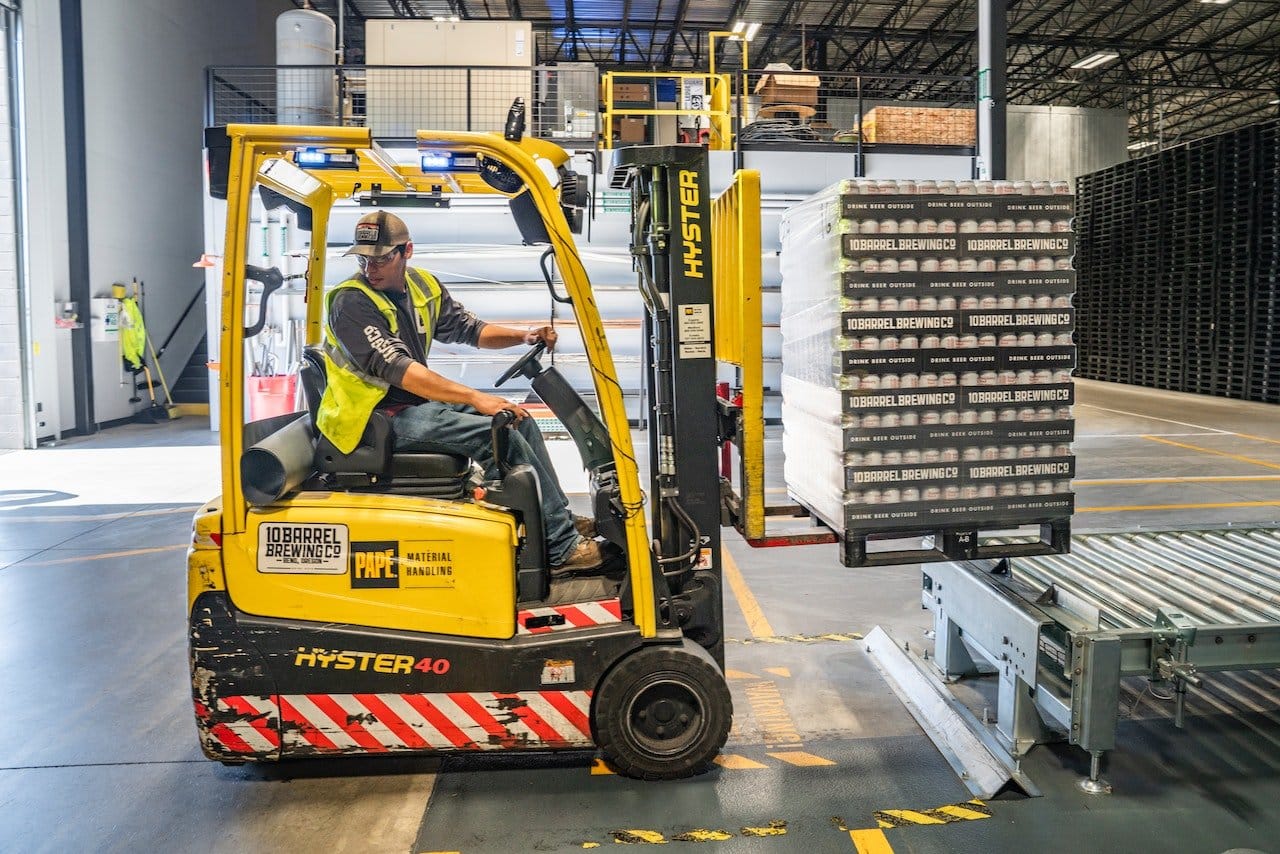
Specialized projects work best when product requirements and order rules are documented before inventory arrives.
1. Review Product and Order Requirements
Review product characteristics and order requirements.
2. Set Receiving and Inventory Rules
Set receiving and inventory rules.
3. Assign Storage and Handling Instructions
Assign storage and handling instructions.
4. Define Packout and Campaign Requirements
Define packing, kitting, labeling, or campaign requirements.
5. Set Shipping, Returns, and Exceptions
Set shipping, return, and exception procedures.
When Outsourcing Specialized Fulfillment Makes Sense
A written process gives warehouse teams a consistent reference when the work differs from routine orders.
Outsourcing is worth considering once unusual products, campaign spikes, custom packing work, high SKU counts, or oversized inventory start eating up too much warehouse time or space.
Businesses can compare in-house costs across labor, storage, equipment, packaging, shipping, project setup, and returns before moving specialized work to a 3PL.
What to Ask a Specialized Fulfillment 3PL
Specialized fulfillment depends heavily on product acceptance and operational fit. A prospective 3PL should be able to walk through how its warehouse will handle your exact products and order programs.
- Which fragile, oversized, regulated, or hazardous products does the warehouse accept?
- How does it track high-value and high-SKU inventory?
- How does it handle custom packaging, gift orders, and promotional inserts?
- Can campaign volume be processed in batches?
- How are backorders released after replenishment arrives?
- Which international shipping requirements apply?
- How are unusual returns inspected and recorded?
- Which setup, storage, handling, kitting, and shipping charges apply?
Specialized Fulfillment With Speed Commerce
Speed Commerce handles B2C and B2B fulfillment, warehousing, inventory management, kitting and assembly, custom packaging, personalization, returns, freight management, subscription programs, and other custom warehouse work.
Manufacturers, wholesalers, small businesses, enterprises, nonprofits, online sellers, and individual sellers can talk through product characteristics, order volume, packing rules, sales channels, campaign requirements, and shipping needs before inventory moves into the warehouse.
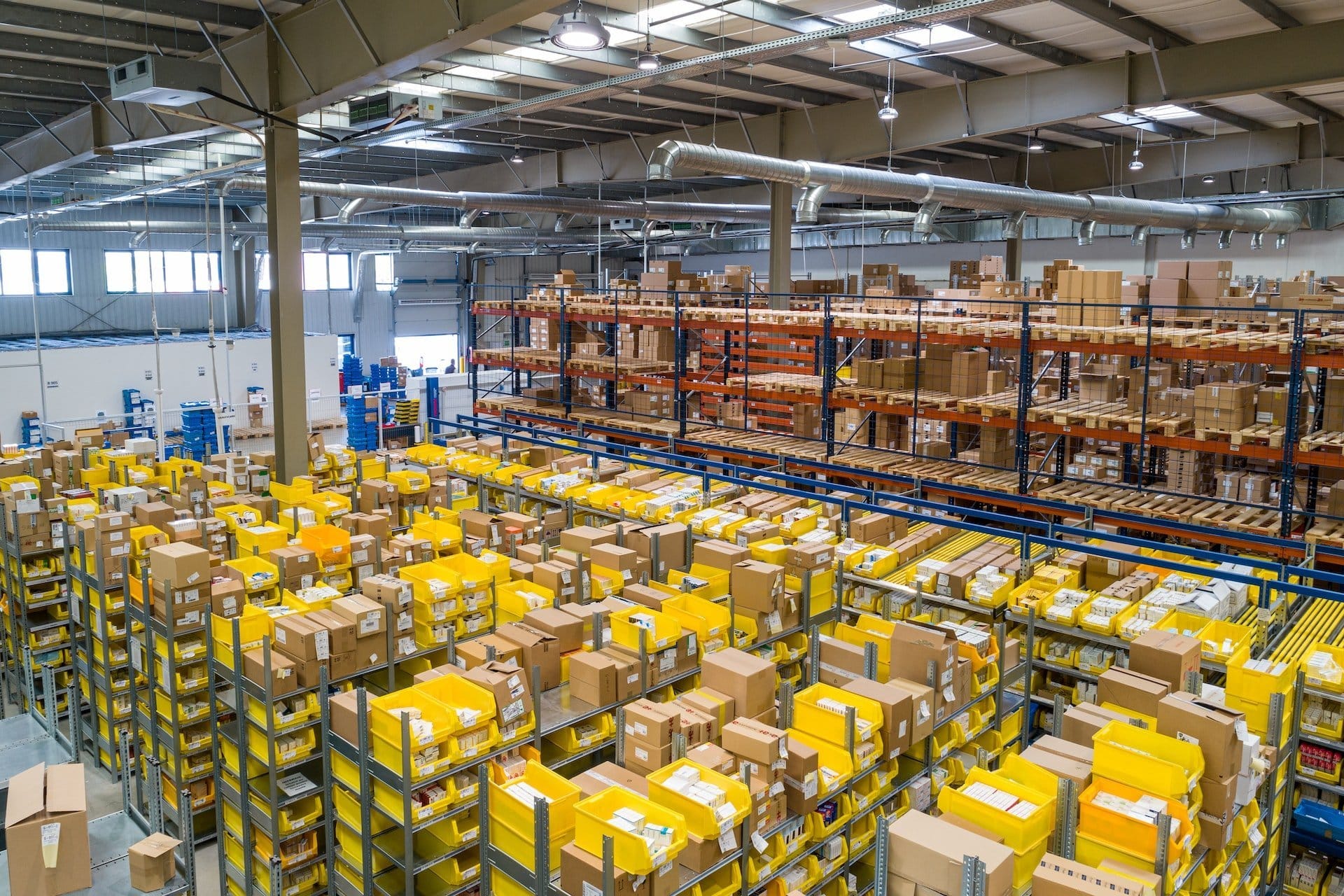
Specialized fulfillment raises practical questions about unusual products, custom projects, marketplace orders, campaign volume, and nonstandard shipping. The answers below cover several details worth reviewing before handing the work to a 3PL.
Q: Can One 3PL Handle Small Items and Oversized Products?
A: Yes, as long as the warehouse has storage locations and handling procedures suited to both product profiles. Review product dimensions and weight before inventory arrives.
Q: Can Hazardous, Aerosol, Flammable, or Leakable Products Be Fulfilled?
A: Some 3PLs handle regulated goods, but acceptance depends on product classification, storage rules, packaging requirements, and carrier restrictions. Review product details before inbound shipping.
Q: Can a 3PL Handle Kickstarter and Crowdfunding Orders?
A: Yes. Crowdfunding fulfillment can cover campaign inventory, reward tiers, kits, inserts, batch orders, and international shipments.
Q: Can Custom Packaging and Promotional Materials Be Added?
A: Yes. Custom cartons, inserts, samples, gift notes, promotional materials, and other packout elements can be added once the warehouse has clear instructions and enough packaging inventory.
Q: Can Backorders Ship After Inventory Arrives?
A: Yes. Backordered orders stay queued until replenishment is received and posted to available stock, then move into picking and shipping.
Insights

How 3PL Pricing Works, With Every Fee Line Explained
A fulfillment quote usually arrives with a single number on it. Something like $2.75 per order, plus shipping. You check it against last month’s order count, the figure looks fair, and you sign. Then the first invoice lands at close to double the estimate, and half the line items read like terms you never agreed…
Read More

Is Free Shipping Really Free? A Revisit in the Inflation Era
Free shipping has shaped online buying behavior more than almost any other two words in retail. Shoppers click it like a reflex. They pad a cart to reach a threshold. They walk away the moment a delivery fee shows up at checkout. For two decades, the question of whether free shipping is truly free sat…
Read More

What Is FIFO in Warehousing & Inventory Management?
FIFO, or First In, First Out, is an inventory management method where the oldest stock is used, picked, packed, or shipped before newer stock. The first pallet in should be the first pallet out. The oldest case should be picked before the newer case. The product that has been sitting in storage longest should leave…
Read More
Looking for a better fulfillment solution?
A fulfillment expert will get back to you within 1-2 business days.