
3PL Fulfillment for Pet Food & Treats
Turbocharged
Scale in the fast lane with 40+ years
of proven reliability
A need for Speed? Accelerate your growth!
Fulfillment experts since 1982
Talk With Our Fulfillment Team
Request a Quote
Fields marked * are required.
Thank you for your interest in Speed Commerce.
For urgent needs, give us a call at 866-413-3402.
A fulfillment expert will get back to you within 1-2 business days.



eCommerce
Fulfillment
B2B
Fulfillment
Call Center
Services
3PL Fulfillment for Pet Food & Treats
Pet food and treats fulfillment covers the storage, inventory tracking, picking, packing, and shipping of products such as dry food, canned food, chews, biscuits, supplements, and specialty treats from the warehouse to the customer. These products can require careful inventory management due to expiration dates, lot tracking, temperature considerations, heavy or bulky packaging, and recurring demand from subscription or repeat orders. A well-managed fulfillment operation helps pet brands keep orders accurate, products properly stored, and inventory organized as order volume grows.
Working with a third-party logistics provider that understands pet food and treats can simplify these requirements while helping brands maintain reliable fulfillment across eCommerce, retail, subscription, and wholesale channels.
Quick Summary
- Pet food and treats fulfillment covers storage, inventory tracking, picking, packing, and shipping for products like dry food, canned food, chews, and supplements.
- Lot and expiration date tracking help brands trace inventory to specific batches and respond quickly if a quality issue or recall occurs.
- Storage conditions matter for pet food quality, including keeping dry goods cool and dry and following temperature controls for refrigerated or frozen products.
- Heavy bags, cans, and bulk treat orders need packaging built to handle weight and reduce crushing, punctures, or damage in transit.
- Subscription schedules and repeat-purchase patterns help brands plan inventory and fulfillment capacity ahead of recurring orders and seasonal demand spikes.
SPEED COMMERCE INSIGHT
Why Pet Food and Treat Brands Choose Speed Commerce for Fulfillment
Speed Commerce supports pet food and treat brands with fulfillment built around the realities of the category, including shelf-life management, lot tracking, recurring orders, heavy shipments, and a wide range of packaging formats. Its fulfillment operations cover storage, inventory control, picking, packing, shipping, and returns across eCommerce, retail, subscription, and wholesale channels. More than 40 years of logistics operations also give Speed Commerce the operational depth to manage seasonal demand, expanding SKU counts, and high-volume order periods while keeping products organized and orders accurate.
How 3PLs Handle Heavy, Bulky, and Damage-Prone Pet Food Orders
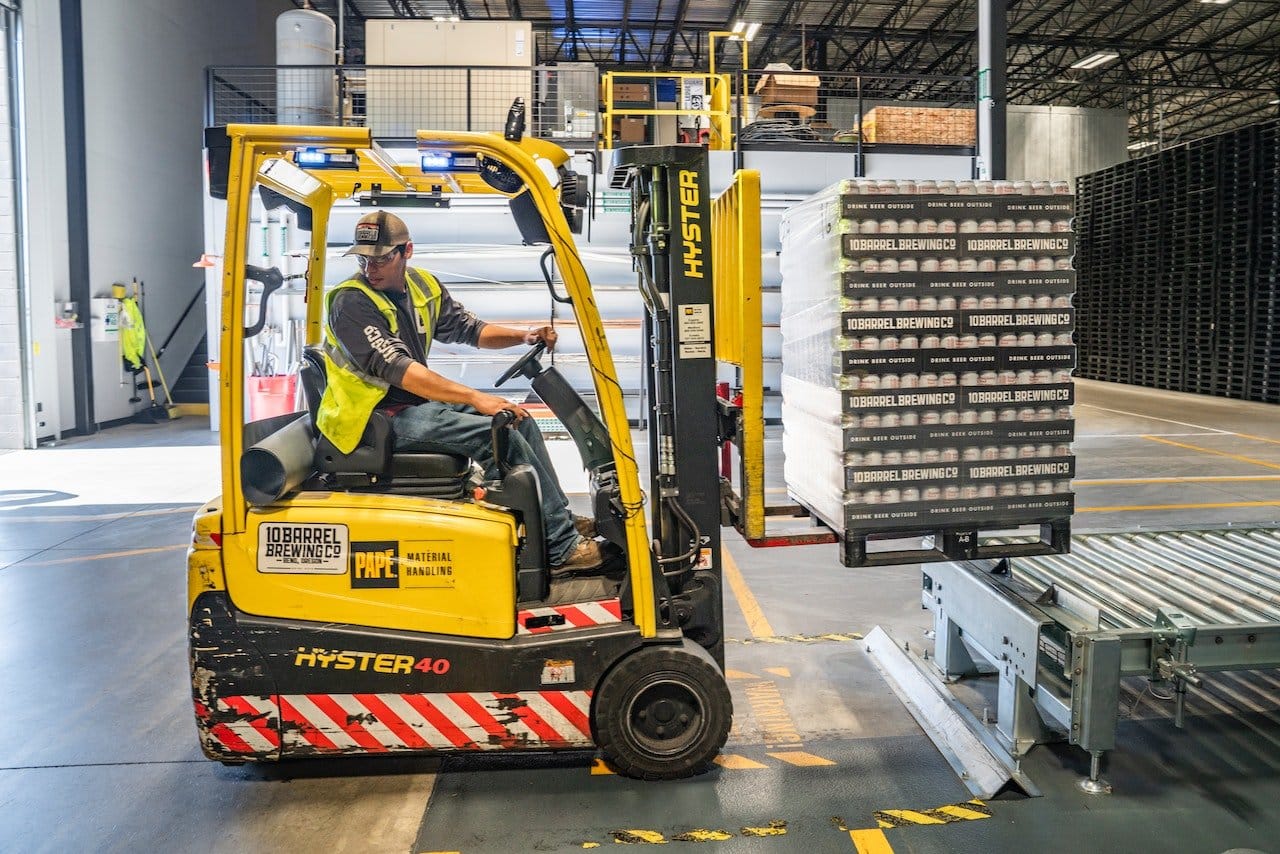
Heavy bags of kibble, cases of canned food, and bulk treat orders need packaging that can withstand substantial weight without tearing, crushing, or shifting in transit. Speed Commerce handles these heavier pet food orders with the product’s weight, dimensions, packaging type, and shipping method in mind, using appropriately sized corrugated cartons, protective packing materials, and reinforced sealing where needed. Carrier packaging guidance similarly recommends sturdy corrugated boxes, sufficient cushioning, and reinforced closures for heavier shipments to reduce movement and package failure during transportation.
For especially large orders, fulfillment may involve palletizing cases or bags rather than sending everything through the standard parcel network. Accurate weights and dimensions help determine the appropriate shipping method, while careful stacking, weight distribution, and pallet preparation can reduce crushing, punctures, and other transit damage. These practices give pet food brands a practical way to ship everything from individual eCommerce orders to bulk B2B and retail replenishment orders while accounting for the added demands of heavy and bulky products.
Pet Food and Treats Market Data and Fulfillment Trends
Pet food and treats represent a large, frequently purchased product category, while online and omnichannel shopping continue to influence how these orders reach customers. For brands, those trends translate into greater attention on inventory availability, repeat purchases, and fulfillment across multiple sales channels.
Pet Food and Treat Spending Remains Strong
Spending on pet food and treats reached $68.3 billion in 2025, making it the largest spending category within the pet industry. With 95 million households owning at least one pet, brands operate in a market supported by recurring demand for everyday consumables such as food, treats, and related products.
Online and Omnichannel Shopping Affect Fulfillment
Pet owners increasingly move between online and physical retail channels, with research showing 57% of pet product buyers shop both online and in stores. For pet food and treat brands, this purchasing behavior can mean managing direct-to-consumer orders alongside retail replenishment and other distribution channels, placing greater demands on inventory coordination and order processing.
More Value. Better Service. No Speed Bumps Ahead.
Get StartedCommon Challenges in Pet Food and Treats 3PL Fulfillment
Pet food and treats bring fulfillment challenges tied to shelf life, product safety, traceability, storage conditions, and packaging. Warehouses must manage these requirements throughout receiving, storage, order processing, and distribution.
- Lot and Date Tracking – Track lots and date codes at receiving so inventory can be traced to specific batches and affected products can be located quickly if a quality issue or recall occurs.
- Product Storage Conditions – Store products under appropriate conditions to protect quality, including keeping dry goods in clean, dry areas and following required refrigeration or other temperature controls for products that need them.
- Shelf-Life Inventory Rotation – Rotate inventory according to shelf life so products with earlier best-by or expiration dates can move through fulfillment before newer stock, reducing the risk of aging inventory reaching customers.
- Packaging Protection – Protect packaging during handling and shipping since torn bags, punctured pouches, dented cans, or damaged seals can compromise products and create inventory losses or returns.
- Distribution Records and Recall Readiness – Maintain accurate distribution records so quantities, packaging details, lot identifiers, shipment dates, and receiving destinations can be traced if products need to be investigated or recalled.
How Lot and Expiration Date Tracking Works for Pet Food
Pet food and treat fulfillment depends on accurate lot and date records so inventory can be traced from receiving through distribution. For businesses covered by federal animal-food recordkeeping requirements, receipt and distribution records generally must be kept for 1 year, making consistent warehouse tracking especially important.
| Fulfillment Stage | How Tracking Works | Operational Detail |
|---|---|---|
| Receiving | Lot numbers, date codes, quantities, packaging details, and receipt dates are recorded when inventory arrives. | Animal-food receipt and distribution records generally must be retained for 1 year. |
| Inventory Storage | Products are organized by SKU, lot, and applicable best-by or expiration dates so individual batches remain identifiable. | A single SKU may contain multiple lots with different production dates and shelf-life windows. |
| Inventory Rotation | Products with earlier best-by or expiration dates can be prioritized before newer inventory when appropriate. | Tracking each dated lot separately helps prevent 100% of a SKU’s inventory from being treated as one batch. |
| Order Fulfillment | Shipment records connect outgoing quantities with dates, destinations, and available lot identifiers. | Distribution records may include several traceability details, including product description, quantity, packaging, shipment date, lot identifier, and recipient information. |
| Recall or Investigation | Lot and date records help identify which inventory and shipments may be affected. | FDA reporting guidance specifically requests both the lot number and use-by or expiration date when investigating pet food complaints. |
Pet Food Storage Requirements and Temperature Considerations
Pet food and treats need storage conditions that protect product quality from receiving through final shipment. At Speed Commerce, we account for factors such as temperature, moisture exposure, packaging condition, shelf life, and shipping requirements when handling these products.
Keep Dry Products Cool and Protected From Moisture
Dry pet food and treats generally need cool, dry storage away from excessive heat and moisture. The FDA recommends storing dry pet food below 80°F, since high temperatures and moisture can contribute to nutrient degradation and other quality issues. For brands, warehouse conditions become especially important when inventory may remain in storage for weeks or months before fulfillment.
Match Storage Conditions to the Product
Kibble, treats, canned food, pouches, and temperature-sensitive products don't necessarily have the same storage requirements. We work around the handling and storage specifications associated with each SKU so brands can plan fulfillment according to their product mix rather than treating every item the same way. Shelf-stable products, for example, have different temperature requirements from refrigerated or frozen foods.
Plan for Temperature Requirements During Transit
Temperature considerations don't end when an order leaves the warehouse. Brands selling refrigerated or frozen pet food may need insulated packaging, refrigerants, appropriate carrier services, and shorter transit windows to maintain required conditions through delivery. These factors can influence packaging choices, shipping zones, delivery speeds, and fulfillment costs.
Protect Packaging Throughout Fulfillment
Bags, cans, tubs, and pouches also need protection during storage, picking, packing, and shipment. Preventing punctures, tears, leaks, crushing, and other packaging damage helps protect the food itself while keeping lot codes, best-by dates, and other traceability information readable throughout fulfillment.
Coordinate Storage With Lot and Expiration Tracking
Storage works hand in hand with inventory rotation. Tracking inventory by lot and expiration or best-by date helps brands manage aging stock, prioritize appropriate inventory for fulfillment, and identify affected units more precisely when a product withdrawal or recall occurs. For pet food brands managing multiple batches and shelf lives, this visibility is an important part of fulfillment planning.
Fulfillment Planning for Subscriptions, Repeat Orders, and Seasonal Pet Demand
Pet food and treats are naturally repeat-purchase products, so fulfillment planning needs to account for recurring orders alongside temporary increases from promotions, holidays, and other sales events. Subscription and autoship purchasing also represents a substantial part of online pet food sales, making inventory availability especially important when customers expect orders on a regular schedule.
1. Use recurring order data to anticipate demand.
Subscription schedules, repeat-purchase patterns, and historical sales can give brands a clearer view of which SKUs are likely to need replenishment and when.
2. Plan inventory around expected order volume.
Keep sufficient stock available for upcoming repeat orders while accounting for lead times and shelf life so inventory isn’t committed faster than it can be replenished.
3. Prepare early for demand spikes.
Promotions, holidays, product launches, and other high-volume periods should be communicated ahead of time so additional inventory and fulfillment capacity can be planned accordingly.
4. Coordinate forecasts with your fulfillment partner.
Sharing upcoming campaigns, inbound inventory, and projected order volumes gives Speed Commerce more visibility into expected workload and helps prepare receiving, picking, packing, and shipping operations for changes in demand.
5. Review actual demand after each peak.
Compare forecasts with real order volumes and SKU movement, then use those results to refine inventory and fulfillment planning for the next subscription cycle or sales event.
Pet Food Fulfillment Compliance, Recalls, and Product Traceability
Pet food fulfillment requires more than getting the right SKU into the right box. Brands also need accurate records that connect inventory to identifiable lots, dates, and product information throughout storage and distribution. Lot numbers are especially valuable in pet food since they can identify a specific production batch and may indicate where and when the product was manufactured. Maintaining that information alongside inventory records gives Speed Commerce and its brand partners greater visibility into which units are being received, stored, and shipped.
That traceability becomes particularly important during a recall or product withdrawal. Recall notices may identify affected inventory using lot codes, product codes, UPCs, date information, packaging details, and distribution records, allowing affected products to be distinguished from unaffected stock. Accurate lot-level records can therefore help brands locate impacted inventory, stop affected units from shipping, and narrow the products that need to be removed rather than treating all inventory as part of the same batch.
Before moving pet food inventory into a warehouse, share the product formats, lot and expiration tracking requirements, storage conditions, packaging instructions, and expected subscription or retail order volume. Confirm which temperature-sensitive products and shipping methods the facility can support.
Q: What fulfillment records should you keep for pet food shipments?
A: If your business manufactures, packs, holds, distributes, receives, transports, or imports animal food, applicable FDA rules may require receipt and distribution records. These records can include product descriptions, dates, quantities, packaging information, lot identifiers when available, and information about where products came from or were distributed.
Q: How can lot tracking limit the scope of a pet food recall?
A: Lot codes let you distinguish one production batch from another, which can help identify affected inventory without automatically treating every unit of a product as recalled. They can also provide information about when and where a particular batch was produced.
Q: What should you communicate before shipping temperature-sensitive pet food?
A: If your products require temperature control for safety, you may need to specify appropriate transportation temperatures and other handling requirements in writing to the carrier or other responsible party, depending on how responsibilities are assigned. This gives the parties handling your shipments defined conditions to follow during transportation.
Q: How should a 3PL handle returned pet food and treats?
A: Returned pet food and treats should be inspected for damaged packaging, broken seals, leaks, and other signs that the products may be unsuitable for resale. Items requiring review should remain separate from sellable inventory, with disposition decisions following the brand’s product safety and return policies.
Q: What should you consider when choosing carriers for pet food orders?
A: You should consider whether transportation equipment can protect your products from contamination and, when applicable, maintain required temperatures. Sanitary transportation requirements address areas such as vehicle condition, cleaning, temperature control, loading, and protection from previous or non-food cargo.
Insights

5 Pitfalls (& Their Solutions) to Help Navigate the Holiday Rush for eCommerce Merchants
The 2023 Holiday Season will soon be upon us, and this year’s eCommerce merchants face greater uncertainty. Forecasts vary, but most expect this year’s sales growth to be in the low single digits, adding to the pressure to maximize holiday sales. With most Americans concerned about inflation and the specter of further economic slowdown, eCommerce…
Read More

What Makes a Great 3PL? Factors You Need to Consider When Choosing a 3PL Provider
In the supply chain landscape, Third-Party Logistics (3PL) providers play a key role in streamlining operations for businesses all around the world. With the choices available, selecting the ideal 3PL partner can be a daunting task. So, what distinguishes an adequate 3PL from a great one? Here’s a quick guide to help you get you…
Read More

How to Save Money on Shipping: Reducing Costs in 2023 for Every Ecommerce Platform From eBay to Etsy + Universal Tips
Shipping costs can be a significant expense for businesses operating on various ecommerce platforms. In this comprehensive guide, we will provide cost-saving strategies tailored for each popular ecommerce platform, including Amazon, Walmart, Shopify, Etsy, Ebay, and others. While some cost-saving tips may be specific to each platform, we will also share universal guidance that can…
Read More
Looking for a better fulfillment solution?
A fulfillment expert will get back to you within 1-2 business days.