
3PL Fulfillment for Automotive Tools and Equipment
Turbocharged
Scale in the fast lane with 40+ years
of proven reliability
A need for Speed? Accelerate your growth!
Fulfillment experts since 1982
Talk With Our Fulfillment Team
Request a Quote
Fields marked * are required.
Thank you for your interest in Speed Commerce.
For urgent needs, give us a call at 866-413-3402.
A fulfillment expert will get back to you within 1-2 business days.



eCommerce
Fulfillment
B2B
Fulfillment
Call Center
Services
3PL Fulfillment for Automotive Tools and Equipment
A missing socket or damaged diagnostic scanner can delay a repair and trigger a return. Automotive tools and equipment need accurate picking, secure storage, and packaging that accounts for weight, shape, and fragile components.
When daily orders start stretching your warehouse space and staff, third-party logistics (3PL) services can take on the workload. From individual tool purchases to wholesale shipments, a well-planned fulfillment operation helps keep orders moving and your team focused on sales.
What Does Automotive Tools and Equipment Fulfillment Cover?
Fulfillment covers receiving inventory, storing products, picking orders, packing shipments, and processing returns. For automotive tools, each stock-keeping unit (SKU) should distinguish size, model, measurement system, and kit contents.
These details help warehouse teams separate similar products and track available stock. A tool sold individually also needs a different inventory record from a set containing that same item.
What Makes Automotive Tool Fulfillment Challenging?
Automotive tool orders present several handling and shipping risks.
Similar-looking products increase the risk of picking errors. Confusing an SAE socket set with a metric version can lead to returns and replacement costs.
Heavy tools can damage electronics packed beside them. Loose metal pieces can also puncture cartons during transit.
Oversized equipment requires accurate shipment dimensions and clear unloading arrangements. Missing these details can trigger unexpected freight charges and failed delivery attempts.
More Value. Better Service. No Speed Bumps Ahead.
Get StartedTypes of Automotive Tools and Equipment Handled by 3PLs
Automotive tool catalogs span compact accessories and heavy workshop equipment. Each category has different handling needs.
| Product Category | Examples | Handling Priorities |
|---|---|---|
| Hand tools and sets | Sockets, ratchets, wrenches, and pliers | Size identification and complete sets |
| Diagnostic and precision equipment | Scan tools, multimeters, and torque wrenches | Protection for screens, connectors, and measuring components |
| Power and pneumatic tools | Impact wrenches, drills, and air ratchets | Separate records for tool-only products and accessory kits |
| Lifting equipment | Floor jacks, jack stands, and ramps | Weight checks and suitable handling equipment |
| Tool storage | Toolboxes and rolling cabinets | Corner protection and secured drawers |
Confirm product acceptance before sending inventory, especially for battery-powered tools and oversized equipment.
- Hand Tools and Sets – Match SAE or metric sizes and check that socket, ratchet, wrench, or plier sets have all listed pieces.
- Diagnostic and Precision Equipment – Protect screens, connectors, and measuring components; check included leads, adapters, and cases.
- Power and Pneumatic Tools – Keep tool-only variants separate from versions sold with accessories or kits.
- Lifting Equipment – Confirm packed weight, carton strength, and safe movement of floor jacks, jack stands, and ramps.
- Tool Storage – Secure cabinet drawers, protect corners, and verify that the chosen shipment method fits the packed dimensions.
Storage and Packaging That Protect Your Products
Storage Matched to Size and Weight
Storage plans should account for shelf capacity, product dimensions, and safe retrieval. Keep small accessories in labeled bins and place heavier equipment in locations suited to its weight and handling requirements.
Packaging Matched to the Product
Use cartons rated for the packed weight, restrain movement, and protect exposed edges. Diagnostic devices need cushioning around vulnerable components, while rolling cabinets need secured drawers and protected finishes. Follow manufacturer instructions for precision tools.
Fulfillment Services for Automotive Tool Sellers
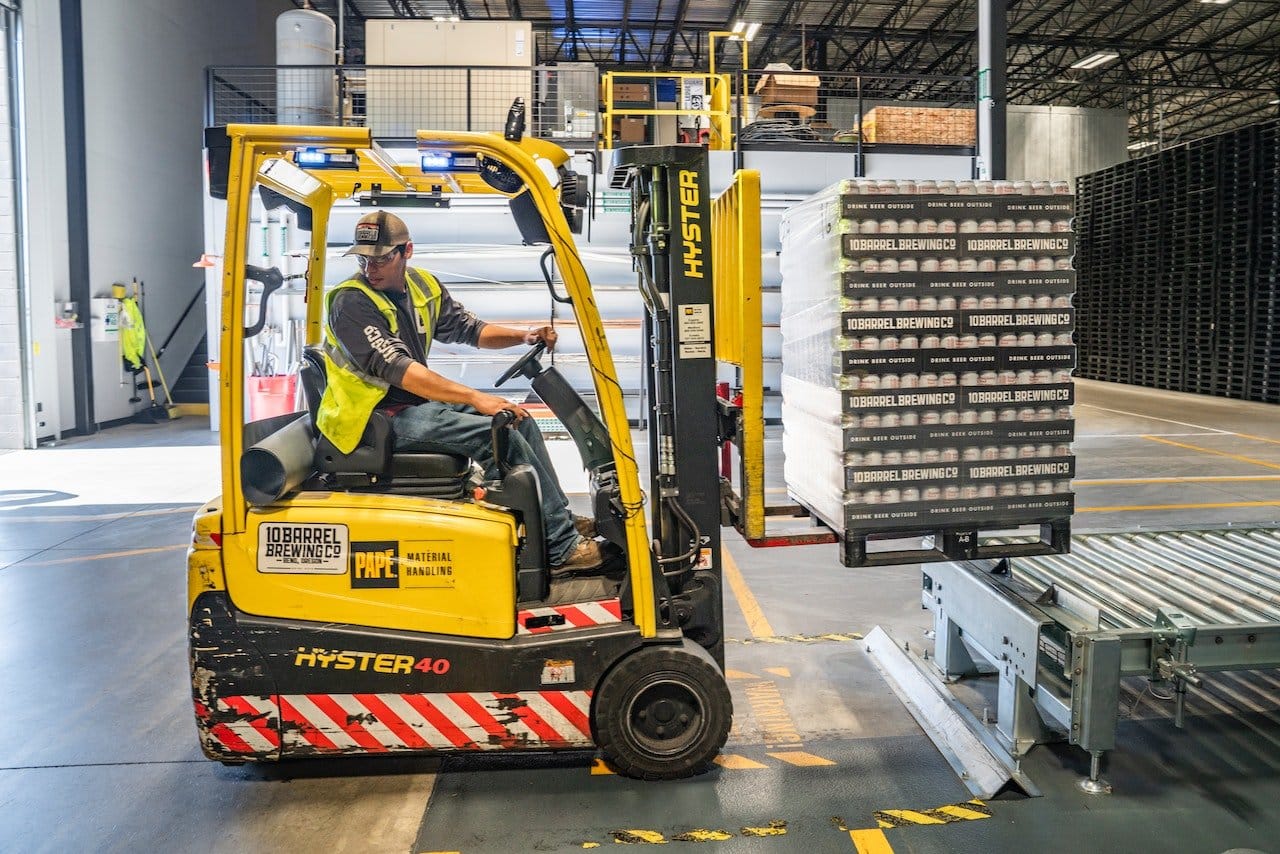
From receiving through returns, each warehouse step needs clear SKU records and product-specific handling instructions. The five stages below cover the fulfillment workflow, including a final check for shipment readiness.
1. Receiving and Inventory Tracking
Receiving teams check incoming quantities and visible condition against shipment records. Assigned storage locations and barcode scans help track inventory, while stock counts help detect discrepancies before they affect orders.
2. Picking, Packing, and Kit Assembly
Picking teams verify the SKU and quantity for each order. Warehouse-assembled bundles need a contents list covering tools, adapters, cables, and other accessories so incomplete kits don’t reach customers.
3. eCommerce and B2B Shipping
Individual purchases and wholesale orders require different packing and dispatch procedures. Retail shipments can involve carton labels, pallet preparation, and scheduled receiving appointments alongside routine parcel shipping.
4. Returns Inspection and Restocking
Returned tools need checks for wear, damage, missing pieces, and packaging condition. Products awaiting technical assessment should remain separate from sellable stock.
5. Final Order and Shipping Checks
Before dispatch, check that the picked item matches the requested model, measurement system, and kit configuration. Confirm that loose hardware is secured, protective materials suit the product, and the packed dimensions match the selected parcel or freight method.
When Should You Outsource Automotive Tool Fulfillment?
Outsourcing is worth considering when shipping backlogs, storage shortages, or recurring errors interrupt daily operations. It can reduce the need to lease warehouse space, purchase handling equipment, and recruit packing staff yourself.
Compare the full cost against your current operation. Include receiving, storage, picking, packaging, shipping, and returns rather than judging a quote by its per-order fee alone.
How to Choose an Automotive Tools and Equipment 3PL Fulfillment Partner
Before choosing a fulfillment partner, check how its operation fits your catalog and order requirements.
Ask how the warehouse would store, pack, and ship your heaviest equipment and most delicate tools.
Confirm how staff check kit contents and handle missing pieces before dispatch.
Check how the warehouse system connects with your sales channels and records stock changes.
Agree on order cutoffs, receiving timelines, error resolution, and charges before moving inventory.
Choose Speed Commerce for Your Automotive Tools and Equipment 3PL Needs
Speed Commerce’s services include eCommerce fulfillment, B2B fulfillment, warehousing, and freight management. Discuss your automotive tool catalog with our team to establish the storage, packing, and shipping arrangements your products need. Share your SKU list, product dimensions, and order volumes. We’ll help you plan your next step.
Automotive tools and equipment can range from small hand tools to bulky shop equipment, so fulfillment questions come down to handling, packaging, storage, and shipping requirements. Here are some points sellers want clarified before working with a 3PL.
Q: Can a 3PL handle small tools and heavy equipment?
A: Yes, when its storage facilities and handling equipment match the products. Confirm weight and dimension limits before sending inventory.
Q: Can tool sets be assembled before shipping?
A: A 3PL with kitting services can assemble sets using an agreed component list. Confirm assembly checks, packaging, and charges beforehand.
Q: How are diagnostic devices protected during shipping?
A: Protective cases, cushioning, and restraints help prevent movement and contact with heavier items. Packaging should follow the manufacturer’s instructions.
Q: Can one 3PL handle online and wholesale orders?
A: Yes, a 3PL with both capabilities can process individual parcels and bulk shipments. Confirm retailer-specific packing and labeling requirements during setup.
Q: What affects fulfillment costs?
A: Product size, weight, storage volume, order complexity, and shipping destination affect costs. Kit assembly and return inspections also influence the total.
Insights

3PL Statistics You Should Know In 2026
In 2026, third-party logistics (3PL) are more important than ever in helping businesses manage their supply chains. The trade war and a looming recession create an even greater need to understand where this industry stands and may be heading. Whether you’re starting to outsource logistics or rethinking your current partnerships, understanding what’s happening right now…
Read More

Online Shopping Statistics Worldwide in 2025 & the Impact of the Global Trade War
E-commerce sales are projected to exceed $6.42 trillion, with more than 2.77 billion people shopping online. But behind this relentless growth lies a disruptive undercurrent: the escalating global trade war that threatens to upend supply chains, inflate prices, and redefine how, and where, online commerce operates. Who are we? Speed Commerce is an end-to-end provider of…
Read More

Bonded Warehouse Guide: What’s a Customs Bonded vs FTZ vs Standard Warehouse & More
The Tariff Roller‑Coaster Nobody Asked For April’s sweeping tariff orders jolted supply chains overnight. Importers facing duties that jump from 10 % to triple digits are scrambling for breathing room. One quick fix: shift inventory into customs‑bonded warehouses, where goods can sit up to five years without a penny of duty until withdrawal. That single privilege…
Read More
Looking for a better fulfillment solution?
A fulfillment expert will get back to you within 1-2 business days.